Circular supply chains: the right raw material, on time and in place
Closing the materials loop is an operations challenge. How to coordinate supply, scrap returns, inventory and transport so raw material arrives on time.
By Zikloa TeamPublished 5 min read
Key takeaway: A circular supply chain connects two flows: the raw material coming into your plant and the materials leaving it to become raw material again. To make it work without disrupting production, you need shared forecasts, inventory planned around recycled-supply variability, the right packaging, nearby suppliers and traceability in both directions.
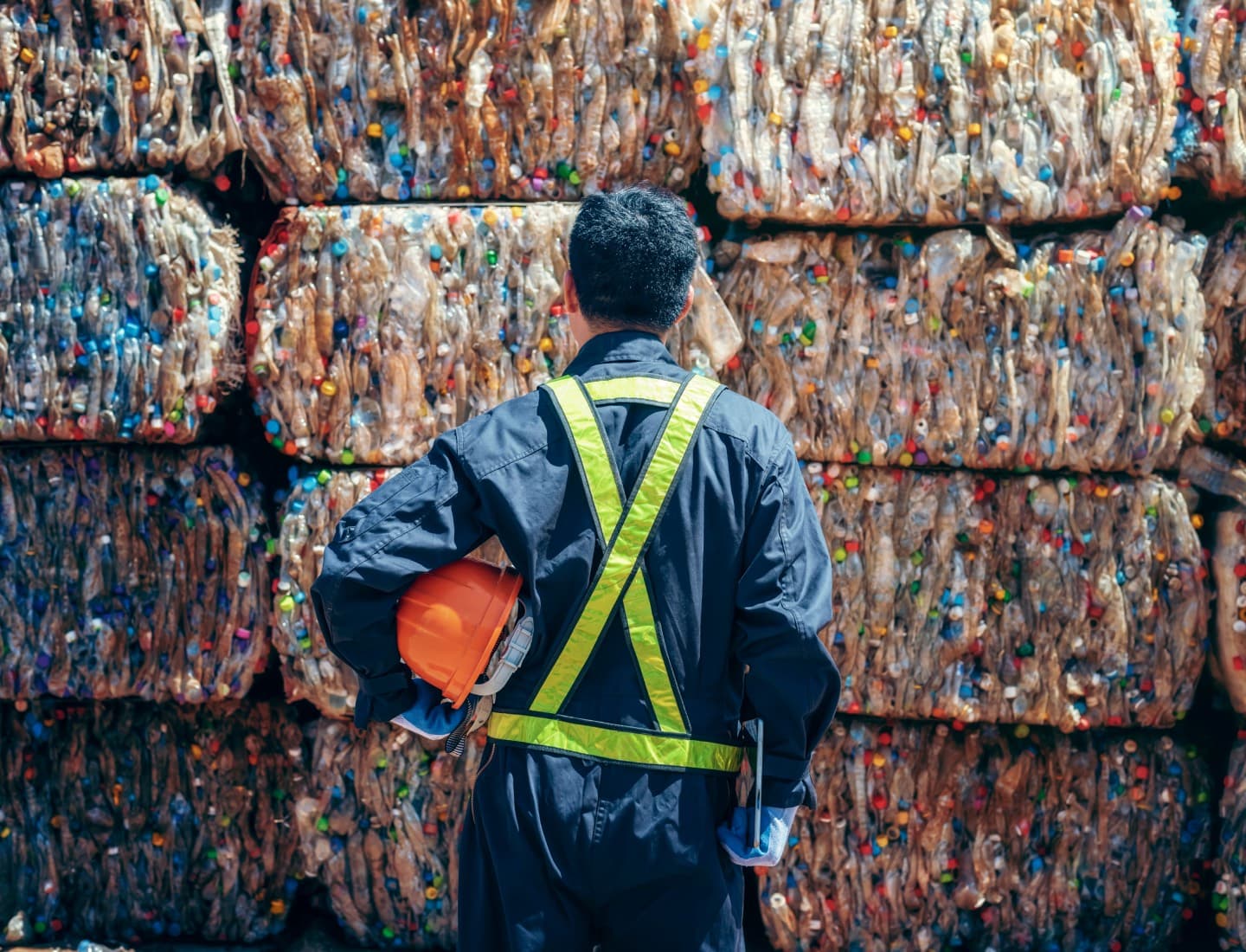
In a linear chain you buy, produce and discard. In a circular supply chain, what leaves your plant (scrap, packaging, pallets, off-spec product) goes back into the loop as raw material, for you or for another industry. The idea is simple; the challenge is operational: having the right material, on time and in the right place, without putting line continuity at risk.
That challenge is sharper for many nearshoring plants. Their supply chains were often designed around imports, with resin and packaging shipped from abroad and scrap treated as a disposal cost. Closing loops locally cuts exposure to cross-border lead times and turns waste into an input. This guide focuses on the practical side: how to plan, store, move and measure.
What a circular supply chain is
It has two flows that must be designed together:
- Forward flow: supplier, warehouse, production and customer.
- Return flow: scrap, packaging and end-of-use products that go through collection and processing to come back as raw material.
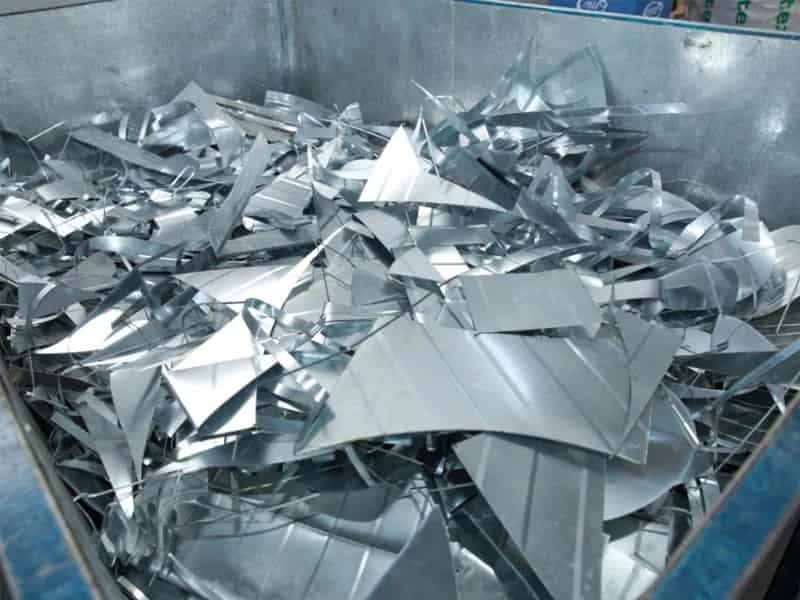
When material returns to your own process, it's a closed loop: your polypropylene scrap, for example, is processed and comes back as feedstock for your parts. When another industry uses it, it's an open loop, a form of industrial symbiosis. Both are valid; what matters is that the return flow is planned and doesn't depend on someone remembering to call the hauler.
The links you need to coordinate
| Link | Forward flow | Return flow | Suggested metric |
|---|---|---|---|
| Supply | Virgin and recycled raw material | Scrap sold back to the supplier | On time, in full (OTIF) |
| Warehouse | Receiving and inventory by lot | Scrap area separated by material | Days of inventory |
| Production | Consumption per schedule | Scrap separated at the source | Percentage of scrap recovered |
| Distribution | Delivery to customers | Returnable packaging and pallets | Packaging return rate |
| Collection | Not applicable | Containers, frequency and weighing | Tons recovered vs. sent to disposal |
Each link usually has a different owner: purchasing, warehouse, production, logistics and EHS. The first job is to get them aligned on a single flow map with real volumes, not estimates.
Demand and inventory planning
Recycled raw material depends on the scrap available in the market, so its supply can vary more than virgin resin. That changes how you plan:
- Share a rolling forecast with your supplier, ideally three months out. It gives them time to secure and process scrap sources.
- Calculate safety stock from real data: variability in your consumption and in lead time. With a new supplier, start with a larger buffer and adjust as history builds up.
- Define a validated substitute: which virgin grade steps in if recycled material runs short, and at what percentage, already approved by quality.
- Manage by lot: first in, first out, and no mixing lots without records.
- Review the plan monthly with purchasing and production; schedule changes are the most common cause of shortages.
Logistics: distance, packaging and frequency
Distance. A supplier in the same region shortens lead times and reduces freight costs and transport emissions. In Mexico, the industrial corridors of Nuevo León and the Valley of Mexico concentrate both scrap generation and raw material demand, which makes local loops easier to close.
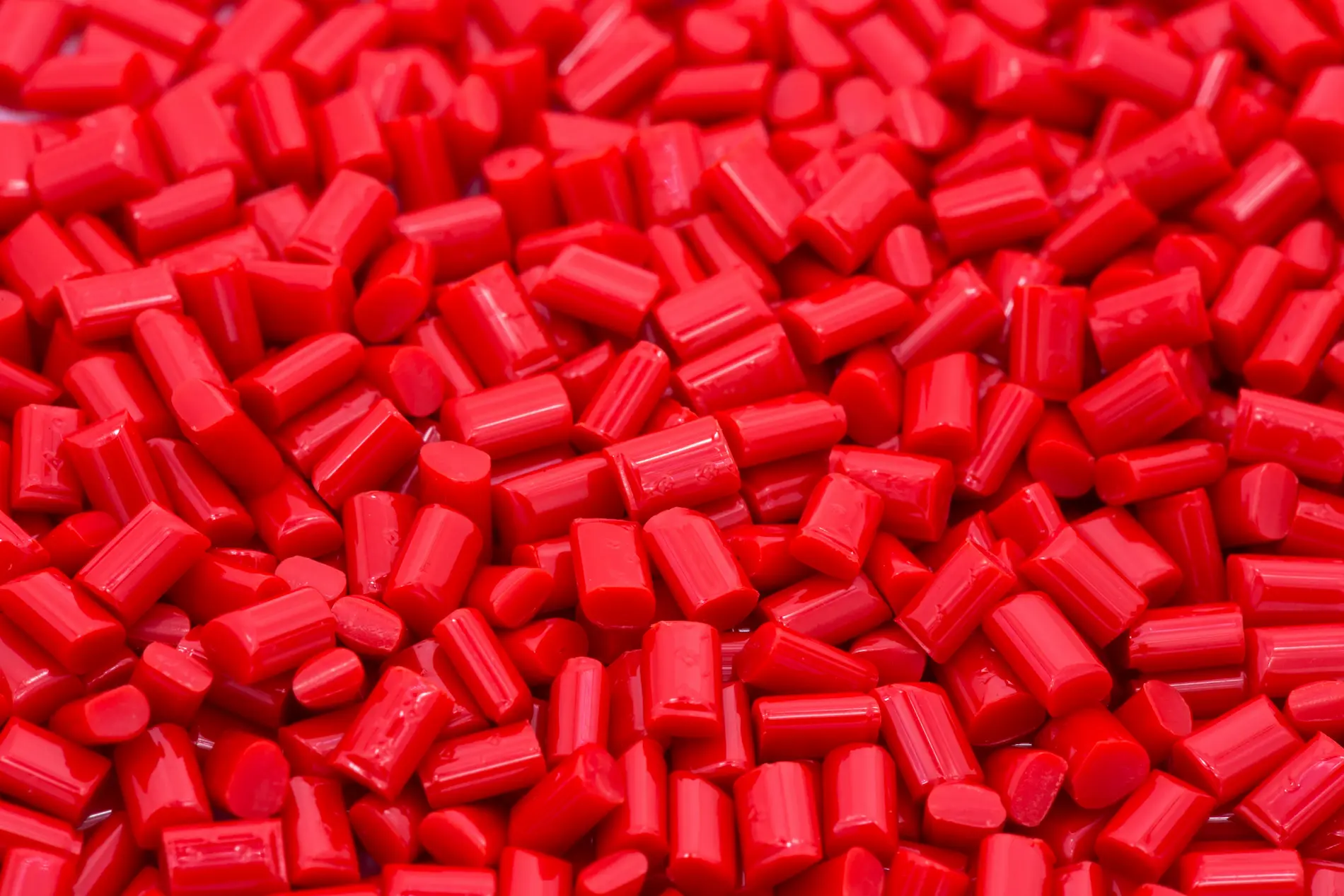
Packaging. Choose the format based on consumption: 25 kg bags, bulk bags or gaylords. Protect hygroscopic materials from moisture and aim for delivery packaging that's returnable or recyclable.
Frequency. Schedule raw material deliveries and scrap pickups with the same logic: volume generated, space available and container capacity. A yard overflowing with scrap signals an undersized return flow; a warehouse with no room to receive raw material signals the same problem in the forward flow.
Returns from your distribution network. Pallets, dividers, trays and returned products can come back to your plant or go to your recycler. Reverse logistics is the discipline that organizes that return.
Data and traceability in both directions
A circular supply chain is only credible if you can prove it. You need:
- A certificate of analysis for each lot of recycled raw material.
- Records of which lot went into which product.
- Weight tickets for outgoing scrap, ideally issued on certified scales.
- Recycling or recovery documentation for each shipment.
- A monthly dashboard covering recycled content, waste recovered, on-time deliveries and costs.
That information feeds the sustainability reports your corporate parent and customers ask for. It also shows you where the loop breaks: a material that's generated but not recovered, or one bought virgin when it could come recycled.
How to implement it in six steps
- Map inputs and outputs: which materials you buy, how much scrap you generate and of what type.
- Separate at the source all scrap with value, by material and color.
- Identify what can come back as raw material to your process and what's better sent to another industry.
- Choose partners for both flows, ideally ones that buy your scrap and supply raw material.
- Set the forecast, safety stock and virgin backup.
- Measure monthly and review quarterly, with purchasing, production, quality and EHS at the same table.
Start with a single material, the highest-volume one or the easiest to separate, and expand once the first loop works.
Common risks and how to get ahead of them
| Risk | Early warning sign | How to mitigate it |
|---|---|---|
| Recycled material shortage | The supplier's lead times start stretching | Safety stock and a virgin backup that's already validated |
| Lot-to-lot quality variation | More machine adjustments or rejects | Certificate per lot and incoming inspection |
| Contaminated or mixed scrap | Deductions or rejections from your recycler | Source separation and employee training |
| Overflowing scrap yard | Material piling up outside its area | Adjust pickup frequency or container size |
| Missing evidence | Gaps in records at month-end close | A named data owner and a monthly dashboard |
None of these risks is unique to the circular economy, but in a system with two flows they spread: an overflowing yard slows production, and a raw material shortage makes carefully separated scrap pointless. Reviewing them together is part of the method.
How Zikloa can help
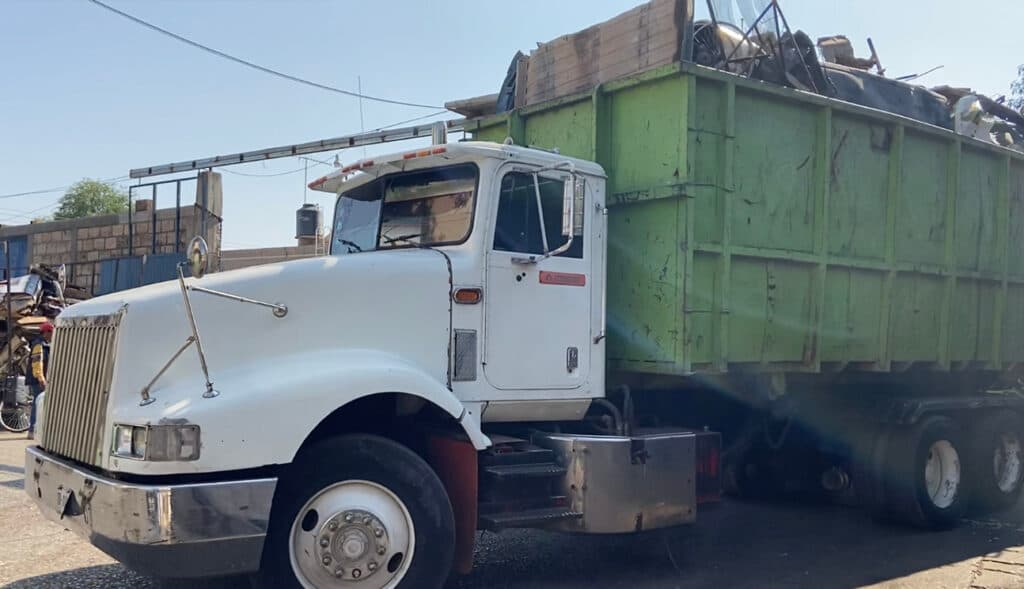
Zikloa works on both flows. On the return side, we provide waste collection with roll-off trucks and 15, 20 and 30 m³ containers, a grapple crane for bulk material and certified scales. On the supply side, our raw material supply service covers recycled and virgin materials. With offices in Nuevo León and Mexico City and more than 15 years of experience, we can help you design a local loop for your materials. Tell us what comes into and goes out of your plant.
- #circular supply chain
- #logistics
- #raw materials
- #inventory planning
- #nearshoring
Frequently asked questions
How is a circular supply chain different from reverse logistics?
Reverse logistics is the return flow of materials, packaging and products. A circular supply chain is the whole system that connects that return flow to supply, so recovered material comes back in as raw material.
How much safety stock do I need with recycled raw material?
It depends on your consumption, lead time and supplier variability. Because recycled supply can fluctuate more than virgin, calculate it from real delivery data and review it every quarter.
Can I start a circular supply chain without changing suppliers?
Yes. Many companies start by measuring and separating their own scrap and negotiating packaging returns with current suppliers. They then bring in recycled raw material for the parts where the risk is lowest.