Blue and black virgin polypropylene: uses in molding and extrusion
Why buy virgin polypropylene already colored blue or black, what each color brings and how to choose the PP type and melt flow for injection molding or extrusion.
By Zikloa TeamPublished 5 min read
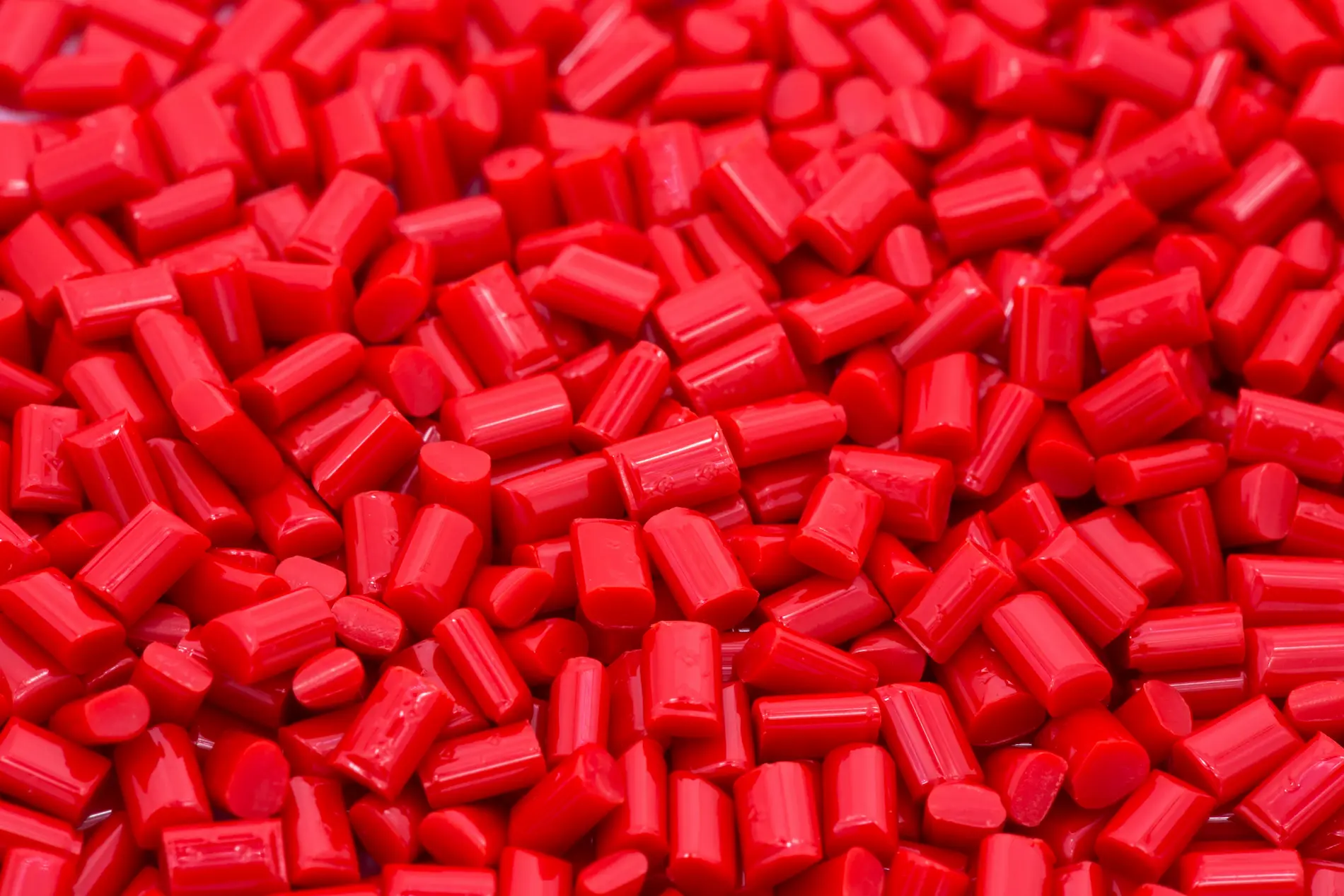
Key takeaway: Precolored virgin polypropylene in blue or black gives you uniform color and full properties for molded parts and extruded products, with no pigment dosing on the floor. Black adds UV protection thanks to carbon black; blue is widely used for identification. What matters most is choosing the right PP type and melt flow index for your process.
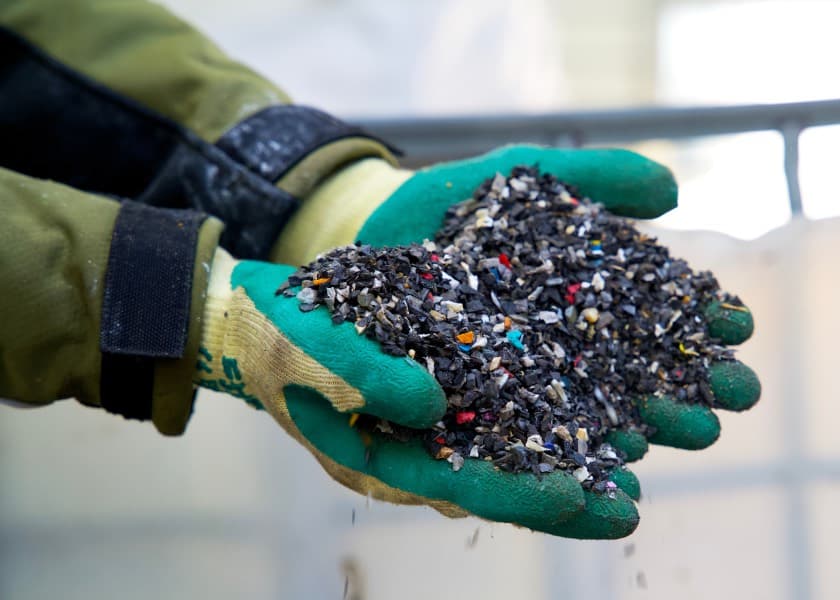
Virgin polypropylene is one of the most versatile resins in manufacturing: it's light, resists chemicals and fatigue, and processes easily. Buying it already pigmented in blue or black removes color dosing from your floor and gives you a consistent shade from lot to lot.
For plants that have nearshored to Mexico, there's another advantage: sourcing colored PP from a local supplier can shorten lead times compared with importing resin or masterbatch. This guide covers PP types, when precolored material makes sense, what each color brings and how to choose the right grade for injection molding or extrusion.
What virgin polypropylene is and which types exist
Polypropylene (PP, resin code 5) is a semicrystalline thermoplastic with a density of about 0.90 g/cm³, among the lowest of common plastics: it floats in water. It stands out for chemical resistance, fatigue resistance (which makes living hinges possible) and low relative cost.
There are three main families:
- Homopolymer: the stiffest, with the highest heat resistance; its impact strength drops in the cold.
- Random copolymer: more flexible with better clarity, which matters mostly when the material is used natural.
- Impact (heterophasic) copolymer: includes an elastomeric phase that improves impact strength, even at low temperatures. It's common in crates, containers and automotive parts.
"Virgin" means the material is processed for the first time and retains the full properties the producer declares. Always confirm on the data sheet which family your grade belongs to.
Precolored vs. natural with masterbatch
| Factor | Precolored PP | Natural PP + masterbatch |
|---|---|---|
| Color uniformity | High, color is built in | Depends on in-plant dosing |
| Equipment needed | Nothing extra | Doser and ratio control |
| Risk of error | Low | Higher: dosing, mixing, shift changes |
| Flexibility | One inventory per color | One inventory for several colors |
| Best when | You run high volume in few colors | You run many colors or short lots |
If your plant runs large volumes in blue or black, precolored resin simplifies operations and cuts scrap from color variation. If you change colors often, natural with masterbatch gives you more flexibility.
Black polypropylene: UV protection and technical parts
Like other polyolefins, PP degrades under ultraviolet radiation. Carbon black is one of the most effective UV stabilizers for these materials, which makes black PP the natural choice for outdoor parts. Performance depends on the carbon black type, dispersion and loading, so not every black PP is suitable for outdoor use; confirm it on the data sheet.
Other advantages of black:
- It hides small shade variations and visual contamination.
- It accepts in-house regrind without showing it on the part.
- It's the standard color for many automotive, electrical and heavy-duty parts.
Blue polypropylene: identification and design
Blue is widely used for color coding: telling apart the crates of one process, the containers of one customer or the components of one line. It's also common in caps, household goods and products where color is part of the brand.
One technical detail is worth knowing: some organic pigments, such as phthalocyanines, common in blues and greens, act as nucleating agents in PP. That can change shrinkage and cause warpage in parts that ran fine in natural or black. If you move a mold to blue, plan for cooling and mold-temperature adjustments, and validate dimensions before release.
Uses in injection molding and extrusion
Injection molding
Material-handling crates and containers, caps and closures, housings, interior automotive components, household goods, living-hinge parts and furniture components. In general, medium- to high-flow grades suit thin walls and long flow paths, while impact copolymers suit parts that take knocks or work in the cold. PP shrinks more than amorphous plastics such as ABS or PS, something to account for from mold design onward.
Extrusion
Thermoforming sheet, corrugated sheet, profiles, raffia and tapes for woven sacks, strapping, monofilament and some types of pipe. Low-flow grades dominate here because they provide melt strength, along with specific grades for orientation in raffia and strapping.
| Application | Process | What to look for in the grade | Common color |
|---|---|---|---|
| Crates and containers | Injection | Impact copolymer, medium-high flow | Blue for identification, black for heavy duty |
| Caps and closures | Injection | High flow and good stiffness | Blue and brand colors |
| Interior automotive parts | Injection | Stiffness and dimensional stability; some grades are mineral-filled | Black |
| Sheet and corrugated sheet | Extrusion | Low flow and good melt strength | Black or blue |
| Strapping and raffia | Extrusion | Grades suited to orientation | Black, blue or others for identification |
| Outdoor profiles | Extrusion | Low flow and UV protection | Black |
Good processing and storage practices
- Store covered and closed. PP doesn't absorb moisture, but temperature swings can condense water on the pellet surface.
- Plan color changes. Going from black to blue requires a thorough purge of screw, barrel and hopper; moving from a dark color to a light one always takes more time and material than the reverse.
- Keep regrind separated by color and grade. Black regrind can go back into black; blue only into blue.
- Control mold temperature. It directly affects shrinkage and warpage, especially with nucleating pigments.
- Record the resin lot on every production order for traceability.
How to choose the right grade
- Family: homopolymer, random or impact, based on the stiffness and impact resistance you need.
- Melt flow index: measured at 230 °C with 2.16 kg, matched to your process and wall thickness.
- Special requirements: UV exposure, food contact (which requires a grade approved for it, with documentation) or customer specifications.
- Color: agree on a master sample and a tolerance, and check every lot against it.
- Regrind: decide whether you'll feed runners back and at what maximum percentage.
- Logistics: packaging, monthly volume and lead time.
- Documentation: data sheet and certificate per lot. The criteria in our guide to the recycled plastic data sheet apply to virgin resin too.
If some of your parts don't require virgin material, it's worth evaluating recycled polypropylene or a blend; our comparison of recycled vs. virgin raw materials will help you decide.
How Zikloa can help
Blue and black virgin polypropylene are part of Zikloa's raw materials catalog, along with polypropylene pallets, virgin Nylon 66 and other materials. Zikloa also buys the PP scrap your plant generates, so the material you can't feed back into your process has an outlet too. Request information and a quote for the color and volume you need.
- #virgin polypropylene
- #injection molding
- #extrusion
- #resins
- #color
Frequently asked questions
Does polypropylene need drying before processing?
Usually not, because it isn't hygroscopic. A light drying step only makes sense if the material picked up surface moisture from condensation or poor storage, or if it contains additives or fillers that hold moisture.
Is precolored PP better than natural PP with masterbatch?
Precolored resin gives more uniform color and removes in-plant dosing; natural plus masterbatch lets you run several colors from a single inventory. The choice depends on how many colors you run and how tight your customer's color tolerance is.
Can I blend my regrind with virgin polypropylene of the same color?
Yes, it's common practice for runners and rejected parts. Keep regrind clean and separated by color and grade, and set a maximum percentage validated in your own trials.