Nylon 6 vs. Nylon 66: differences and uses of reprocessed material
Two nearly identical polyamides that behave differently. How to tell them apart, when to use each, and what to check before buying reprocessed nylon.
By Zikloa TeamPublished 5 min read
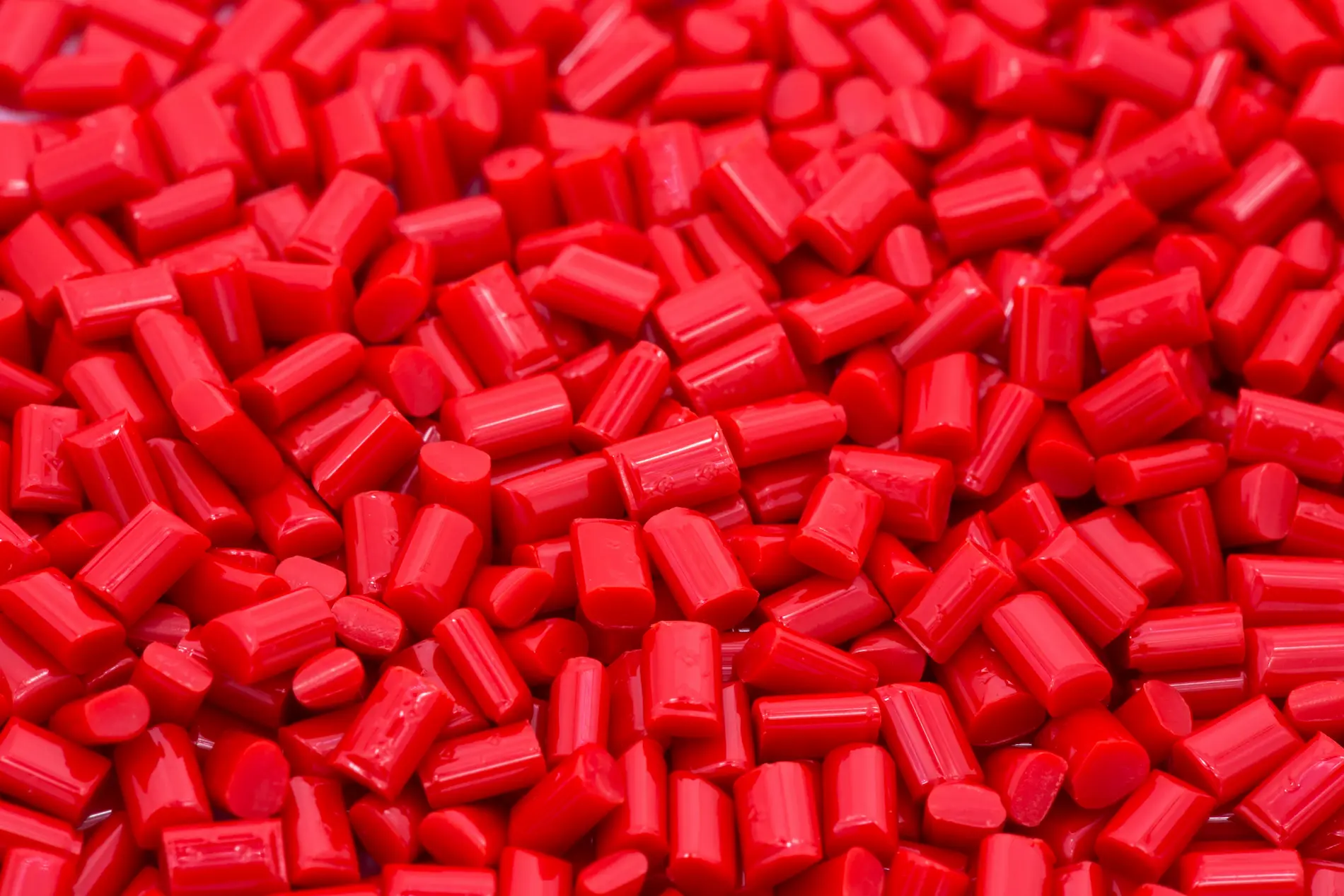
Key takeaway: Nylon 6 and Nylon 66 are very similar polyamides, but PA66 melts roughly 40 °C higher and handles heat and sustained load better, while PA6 is easier to process and gives a better surface finish. With reprocessed material, performance depends on knowing which type you have, how much filler it carries and how dry it is.
If you buy, sell or mold polyamide, the nylon 6 vs nylon 66 question comes up sooner or later. Both go into electrical connectors, gears, automotive parts, cable ties and chair bases, and they look identical. Picking the wrong one means parts that deform under heat or a process that costs more than it should.
For manufacturers that have moved production to Mexico, the question often arrives with a sourcing goal attached: local supply, shorter lead times and, increasingly, some recycled content. Reprocessed nylon can help with all three, but it adds variables on top of the resin choice: heat history, filler and moisture. This guide gives you the criteria to choose and verify.
What they are and where the difference comes from
Both are aliphatic polyamides, sold commercially as nylon. The difference is in how they are made:
- Nylon 6 (PA6): made from a single monomer, caprolactam, which has six carbon atoms.
- Nylon 66 (PA66): made from two monomers, hexamethylenediamine and adipic acid, each with six carbons. Hence the "66".
That gives PA66 a more regular chain, which crystallizes faster and melts at a higher temperature. Nearly every practical difference follows from that.
Nylon 6 vs. Nylon 66: comparison table
| Property | Nylon 6 (PA6) | Nylon 66 (PA66) |
|---|---|---|
| Approximate melting point | ~220 °C | ~260 °C |
| Heat resistance | Good | Higher |
| Stiffness and creep resistance | Good | Higher |
| Impact resistance | Somewhat higher | Somewhat lower |
| Moisture absorption | Somewhat higher | Somewhat lower |
| Surface finish with glass fiber | Better | Good |
| Processing window | Wider | Narrower |
| Crystallization rate | Slower | Faster, allows shorter cycles |
| Typical uses | Gears, housings, chair bases, film | Under-hood parts, connectors, cable ties |
In practice, PA66 is chosen when the part runs hot or under constant load, and PA6 when finish, toughness or a more forgiving process matter more.
Moisture: the factor that affects both the most
Polyamides are hygroscopic: they pick up water from the air quickly. That has two separate effects.
During processing, water in the melt breaks polymer chains through hydrolysis. The result is lower viscosity, brittle parts and defects such as splay or bubbles. That is why nylon is dried before molding, usually in desiccant dryers; many data sheets call for moisture in the range of 0.1 to 0.2% for injection molding. Overdrying at high temperature with hot air does not help either: it oxidizes and yellows the material.
In service, absorbed moisture acts as a plasticizer. A freshly molded (dry) part is stiffer and more brittle; a conditioned part is tougher, less stiff and slightly larger. That is why data sheets list dry-as-molded and conditioned properties, and you should always compare like with like.
Filled or unfilled: what changes when it is reprocessed
Nylon is often reinforced with glass fiber, typically between 15 and 50%; PA66 with 30% glass is one of the most common grades. There are also mineral-filled, impact-modified, flame-retardant and heat-stabilized grades.
When glass-filled material is reprocessed, grinding and each new melt shorten the fibers. A reprocessed PA66 GF30 has the same glass percentage as virgin, but not necessarily the same tensile strength or impact performance. Glass also wears screws and barrels faster.
That is why the market separates filled nylon for reprocessing from unfilled nylon for reprocessing: blending them yields unpredictable glass content and properties that serve no one.
How to identify the material and verify its quality
For scrap or reprocessed material of uncertain origin, these tests resolve most questions:
- Part marking: for example, >PA6-GF30< or >PA66<.
- Differential scanning calorimetry (DSC): shows the melting peak. Around 220 °C points to PA6, around 260 °C to PA66; two peaks mean a blend.
- Ash content: a sample is burned off and the residue equals the inorganic filler. It confirms whether a "GF30" really carries about 30%.
- Moisture: by moisture analyzer or Karl Fischer, on receipt and before processing.
- Viscosity or melt flow: shows whether the material has degraded and how consistent it is lot to lot.
- Visual inspection: black specks, uniform color and no foreign resins.
When buying, ask for these values by lot and for a sample to run on your own process. Our guide to the recycled plastic technical data sheet explains how to read each one.
Troubleshooting reprocessed nylon on the press
When a run with reprocessed material goes wrong, the cause is usually on this list:
| Symptom | Likely cause | What to check |
|---|---|---|
| Splay or bubbles | High moisture | Material moisture and dryer dew point |
| Brittle parts | Hydrolysis or thermal degradation | Moisture, melt temperature and residence time |
| Inconsistent fill or part weight | Viscosity shifts between lots, or a PA6/PA66 blend | Viscosity by lot and DSC |
| Glass fibers showing on the surface | Glass-filled material in a cold mold | Mold temperature and injection speed |
| Yellowing | Overdrying or excessive temperature | Drying temperature and time |
| Black specks | Contamination or degraded material | Lot origin and barrel cleanliness |
Log these findings by lot. They give you hard data for supplier claims and help you tighten your purchase specification over time, which is also what a corporate supplier quality team will expect to see.
Where reprocessed nylon works best
Reprocessed nylon performs well in parts with design margin, non-visible components, black or dark parts, furniture hardware, spools, consumer goods and as a share of a blend with virgin resin. For safety-critical parts, OEM-approved grades or food contact, virgin resin is the norm.
If you supply the automotive industry, keep the approval process in mind: under PPAP, a change in material or material source generally requires notifying your customer and resubmitting before production. Plan trials with that timeline in mind.
Between the two extremes sits blending: a share of reprocessed material on a virgin base, validated on the real part. We compare those options in more depth in recycled vs. virgin raw materials.
How Zikloa can help
Our raw materials catalog includes virgin Nylon 66, filled virgin Nylon 6, filled nylon for reprocessing and unfilled nylon for reprocessing. Through our raw material supply service, we help you choose the right option for your application and, if your plant generates polyamide scrap, we can evaluate that too. Request nylon availability and data sheets for your project.
- #nylon
- #polyamide
- #engineering plastics
- #reprocessed material
- #glass fiber
Frequently asked questions
Can we substitute Nylon 6 for Nylon 66 in a part?
Sometimes, but not by default. PA6 melts at a lower temperature and handles heat less well, so parts exposed to heat or sustained load may not pass. Any substitution must be validated on the actual part and, where applicable, approved by your customer.
Why dry reprocessed nylon if it arrives in sealed bags?
Packaging is not always a perfect moisture barrier, and the material may have picked up water during storage or transport. Once a bag is opened, polyamide absorbs moisture from the air quickly. Measure moisture before processing and dry as needed.
Can reprocessed Nylon 6 and Nylon 66 be blended?
They can be processed together because they are chemically similar, but the blend has intermediate, hard-to-predict properties and must be run at conditions suited to PA66. That is why it sells at a discount and is reserved for less demanding applications.