Mexico's Annual Operating Certificate (COA): reporting your waste
A practical guide to Mexico's COA: which facilities file it, when and how, what the hazardous waste section requires and how to collect the data throughout the year.
By Zikloa TeamPublished 5 min read
Key takeaway: The COA (Cédula de Operación Anual) is an annual report that certain facilities in Mexico file with SEMARNAT, the federal environment ministry, covering emissions, discharges, regulated substances and hazardous waste. The filing window runs from March 1 to June 30 and covers the previous calendar year. Large hazardous waste generators use it to report how much they generated, how it was stored and who received it.
Despite the English name usually used for it, the COA in Mexico is not a certificate you receive. It is a report you submit every year. For many plants it is the most time-consuming environmental filing of the year. The challenge isn't technical complexity so much as pulling data from production, maintenance, EHS, purchasing and finance. If that data only comes together in May, the deadline becomes a scramble.
This guide covers who must file, what the COA contains, what it asks about waste and how to prepare throughout the year.
What is the COA and what is it for?
The COA is the instrument for reporting emissions and transfers of pollutants to air, water, soil and subsoil, as well as hazardous materials and waste. It feeds Mexico's Pollutant Release and Transfer Register (Registro de Emisiones y Transferencia de Contaminantes, RETC), a public database comparable in purpose to the US Toxics Release Inventory.
Its legal basis is the General Law of Ecological Balance and Environmental Protection (LGEEPA), the LGEEPA regulations on the RETC and the regulations to the General Law for the Prevention and Integral Management of Waste (LGPGIR). The latter use the COA as the channel for large hazardous waste generators' annual report.
Keep in mind that the LGEEPA makes RETC information public. What you report can be consulted by neighbors, NGOs, journalists and customers' supply-chain teams. That is one more reason to make sure your figures are consistent, supported and comparable from year to year.
Who must file?
The RETC regulations list the facilities subject to federal reporting:
- Federal-jurisdiction stationary sources: the chemical, oil and petrochemical, paints and inks, automotive, pulp and paper, metallurgical, glass, power generation, asbestos, cement and lime, and hazardous waste treatment industries.
- Hazardous waste generators, as defined in applicable rules. The LGPGIR regulations expressly require large generators and hazardous waste service providers to report.
- Facilities discharging wastewater into national waters.
The COA is also the channel for reporting greenhouse gases to Mexico's National Emissions Registry (RENE) when a facility's annual direct or indirect emissions reach 25,000 metric tons of CO2 equivalent. If your situation is unclear, for example as a small hazardous waste generator with no other trigger, confirm it with a consultant.
Deadlines and how to file
- Window: March 1 to June 30 every year.
- Reporting period: January 1 to December 31 of the previous year.
- Channel: SEMARNAT's online portal, signed with the legal representative's e.firma, the advanced electronic signature issued by Mexico's tax authority. The regulations also allow in-person filing.
- Review: SEMARNAT has 20 business days to review the filing and may ask you once to complete or clarify it within up to 15 business days. If you don't respond, the COA is treated as not filed.
SEMARNAT has extended the deadline in some past years through published notices. Don't plan around that: confirm the current calendar every year.
What the COA covers
| Section | What you report |
|---|---|
| General data | Legal name, tax ID (RFC), location, start-up date, headcount and operating schedule |
| Technical information | Process diagram, inputs, products, by-products and energy use |
| Air | Emitting equipment, stacks and ducts, and results of regulated sampling |
| Water | Water sources and wastewater discharge characteristics |
| Hazardous waste | Registration number, generation, transfers, storage, treatment and disposal |
| RETC substances | Emissions and transfers of listed substances |
| Events and prevention | Leaks, spills, start-ups and shutdowns, plus prevention, reuse and recycling actions |
If a hazardous waste generator isn't required by other rules to report the remaining sections, it completes only the waste section.
What the hazardous waste section asks for
For large generators, the LGPGIR regulations specify the report's content:
- Hazard characteristics of each waste.
- The area where it was generated.
- Annual quantity generated, by mass.
- Details of the hauler, collection center, treatment facility or disposal site.
- Annual quantity transferred.
- Any special handling conditions approved by SEMARNAT.
If you stored waste where it was generated, you also report the storage type, the characteristics of the storage area (location, ventilation and lighting), containers used, annual quantity stored and storage time in days.
All of this comes from two sources: your waste log and your manifests. If you closed out every shipment during the year, as described in our guide to waste manifests and traceability, the waste section is largely a summary.
How to prepare without the last-minute rush
- Assign an owner and confirm in January that the legal representative's e.firma is valid.
- Close the waste log on December 31 and reconcile it with fully signed manifests.
- Use actual weights and consistent units across all sections.
- Gather the year's emissions measurements and water test results.
- Document estimates. Where an emission isn't regulated by a NOM, you can estimate it, but you must keep the calculation records for five years.
- Compare with last year and explain major variations before submitting.
- File the acknowledgment together with all supporting data.
Global EHS teams often run their own annual data collection for corporate reporting. Aligning that calendar with the COA window saves duplicate work.
What about your recyclables?
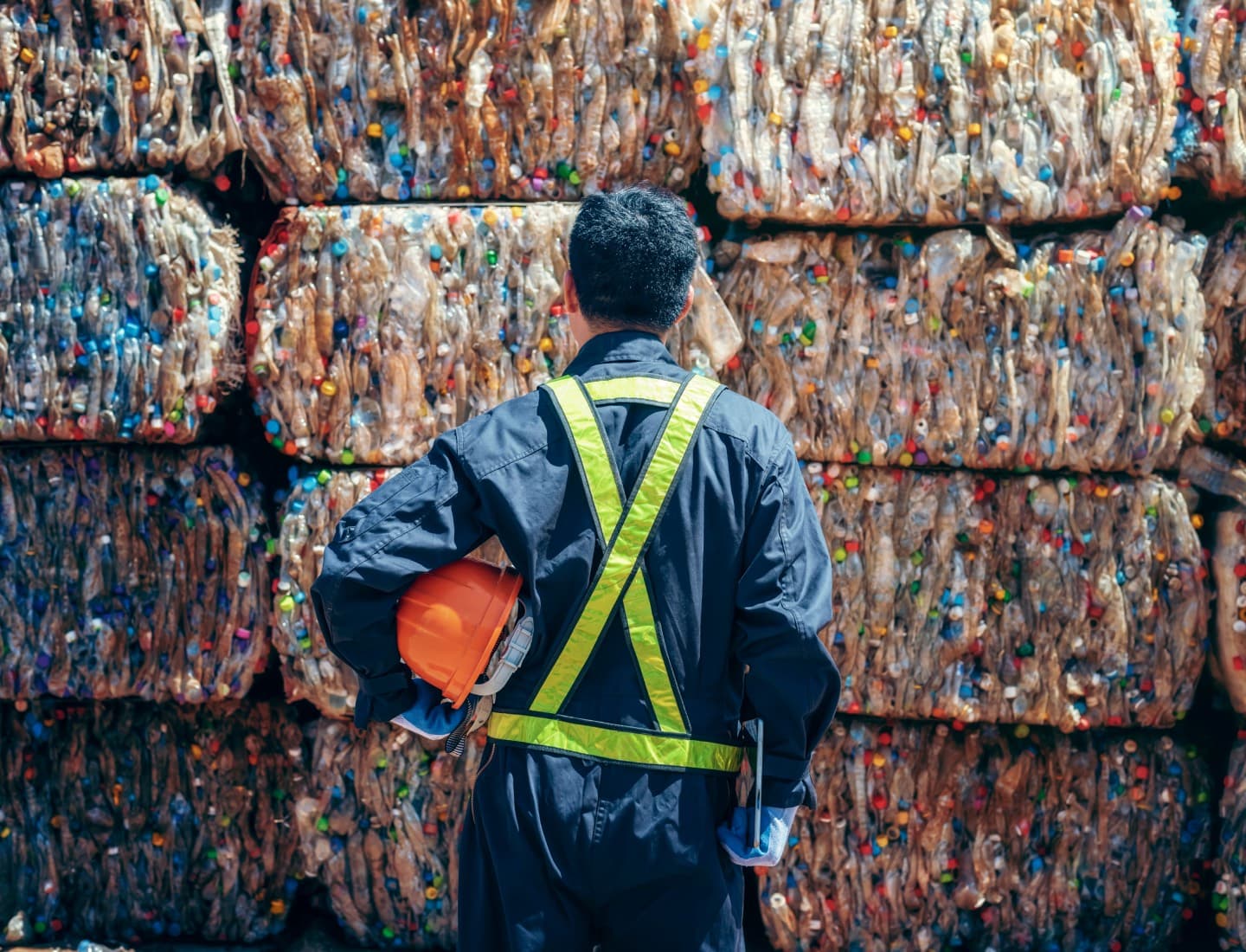
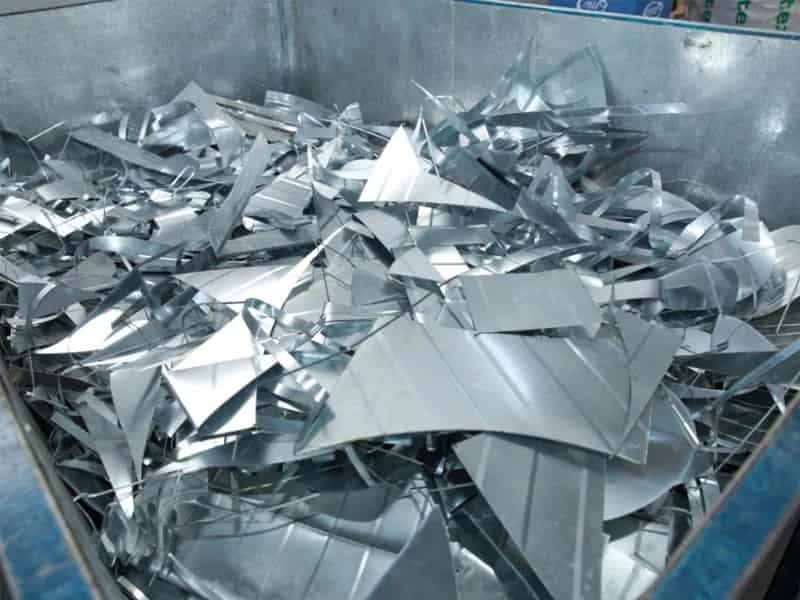
The federal COA focuses on hazardous waste and pollutants. Recyclable special handling waste, such as scrap metal, cardboard or plastics, is normally reported to the state under your management plan or local rules. The LGEEPA also requires states and municipalities to keep their own registries, and some have an annual report for locally regulated facilities.
That data still matters: your headquarters and customers use it for sustainability metrics. See how to put it to work in ESG reporting and recycling.
Important note: the COA format, platform and thresholds can change. Confirm requirements every year with SEMARNAT, your state environmental authority or a local environmental consultant.
How Zikloa can help
Zikloa collects and recycles metals, plastics, cardboard and paper, and weighs every load on certified scales. Those weights support your state management-plan reports and your recycling metrics. Learn about our comprehensive recycling service.
If you want next year's recycling data to arrive organized, tell us about your operation and we'll design a collection program with you.
- #coa
- #annual operating certificate
- #retc
- #hazardous waste
- #mexico compliance
Frequently asked questions
What happens if we miss the COA deadline?
Failing to file when you are required to is a violation that PROFEPA can penalize. Also, if SEMARNAT asks you to clarify information and you don't respond within the deadline, your COA is treated as not filed.
Can we estimate emissions instead of measuring them?
If an emission is regulated by a Mexican official standard (NOM), you must measure it using the methods that standard sets. If it isn't, the regulations allow estimates based on emission factors, mass balances or engineering calculations, as long as you keep the calculation records.
Is the COA the same as the Licencia Ambiental Única?
No. The Licencia Ambiental Única (Single Environmental License) is the operating authorization for federal-jurisdiction air emission sources. The COA is the annual report that those and other facilities file with data from the previous year.