Waste manifests and traceability: documenting every shipment
How Mexico's hazardous waste manifest works, which deadlines to track, and how to build an audit-ready paper trail for recyclables and special handling waste.
By Zikloa TeamPublished 5 min read
Key takeaway: In Mexico, every hazardous waste shipment travels with a manifest signed by the generator, the hauler and the receiving facility. You must keep it for five years and notify SEMARNAT, the federal environment ministry, if the signed original isn't back within 60 days. For recyclables and special handling waste, traceability comes from scale tickets, delivery receipts and recycling certificates.
The waste manifest is the document that ties your whole compliance file together. It supports your waste log, feeds your annual report and is one of the first things an inspector asks for. If your corporate team is used to the US hazardous waste manifest, the concept is the same: a signed chain of custody from cradle to grave. The mechanics, deadlines and terminology are Mexican, though.
This guide explains how the manifest moves, which deadlines to watch and how to build a similar paper trail for the materials you recycle.
What is a waste manifest in Mexico?
The regulations to the General Law for the Prevention and Integral Management of Waste (LGPGIR) define the manifest as the document recording the handling of hazardous waste. Generators and, where applicable, service providers prepare and keep it. It is also the basis for completing the Annual Operating Certificate (Cédula de Operación Anual, or COA).
Its full Spanish name is manifiesto de entrega, transporte y recepción (delivery, transport and receipt manifest), which sums up its role: it records every change of hands. Two rules make it more than a formality:
- Information is declared under oath (bajo protesta de decir verdad) by the generator and every provider involved.
- If the data is false or inaccurate and leads to mishandling that causes damage, whoever supplied that information is liable.
How the manifest moves between generator, hauler and receiver
The regulations set out the route for every shipment:
- When handing over the waste, the generator gives the hauler the signed original and two copies.
- The hauler keeps one copy, signs the original and delivers it to the receiving facility with the other copy and the waste.
- The receiving facility keeps its copy, signs the original and sends it straight back to the generator.
- If the generator hasn't received the original signed by the receiver within 60 calendar days of the hauler collecting the waste, it must notify SEMARNAT.
| Document | Kept by | What it proves |
|---|---|---|
| Hauler's copy | Hauler | The hauler received the waste from the generator |
| Receiver's copy | Treatment or disposal facility | The facility received the waste from the hauler |
| Original with all three signatures | Generator | The chain is closed; supports your waste log and COA |
A provider's responsibility starts when it receives the waste and ends when the next party signs for it. That is why haulers must check that waste is identified, labeled and packaged before accepting it. As good practice, keep a copy or photo of the manifest at the moment of pickup.
Getting the details right
SEMARNAT sets the official format. In general it records the generator's details and registration number, a description of the waste, its hazard characteristics, quantity and container type. It also includes the details and authorization numbers of the hauler and the receiving facility. Common errors include:
- Estimated quantities that don't match the waste log.
- Different waste names on the manifest, the container label and the log.
- Expired authorization numbers, or numbers that don't cover the contracted activity.
- Missing signatures or dates.
Before every shipment, confirm that the hauler and facility hold current SEMARNAT authorizations. As the generator, you are legally required to verify this.
Deadlines and record retention
The regulations set clear retention periods for small and large generators:
- Manifests: five years from the date each one was signed.
- Waste logs (bitácoras): five years.
- Waste test or analysis results: five years from when the waste was sent for treatment or disposal.
For every entry into and exit from storage, the log records the waste, quantity, generating area, dates and the provider's name and authorization number. Matching those dates against manifests also proves that nothing was stored longer than six months. At year end, the same data feeds your COA filing.
Keeping track of open manifests
The 60-day deadline is easy to miss when nobody owns it. A simple tracker in a spreadsheet or your EHS platform prevents surprises:
- Give every shipment an internal reference and record it next to the manifest number.
- Log the pickup date and calculate day 60 automatically.
- Set a reminder around day 45 to chase the hauler or facility for the original.
- Close a shipment only when you hold the original with all three signatures.
- Reconcile closed manifests against the waste log and contractor invoices every month.
Scan each original as soon as it arrives and file it under the same reference. When an inspector or corporate auditor asks for a shipment, you can show it in minutes.
Traceability for recyclables and special handling waste
The federal manifest covers hazardous waste. For special handling waste (residuos de manejo especial) such as scrap metal, cardboard, pallets or plastic regrind, each state sets its own requirements. Some require manifests or state forms, hauler registration or periodic reports.
Even where no specific form is required, build a chain of evidence for every load:
- Pickup order with date, material and container.
- Scale ticket showing actual weight. Reliable weighing underpins everything else, which is why certified scales matter.
- Delivery receipt signed by the receiver.
- Invoice (CFDI, Mexico's electronic tax invoice) when the material is sold.
- Recycling or final destination certificate confirming what happened to the material. See what a recycling certificate should include.
With that chain in place, you can answer a PROFEPA inspection, a corporate ESG data request or a customer audit without rebuilding records at the last minute.
Important note: formats, platforms and requirements can change, and for special handling waste they vary by state. Confirm the current format with SEMARNAT, your state environmental authority or a local environmental consultant.
How Zikloa can help
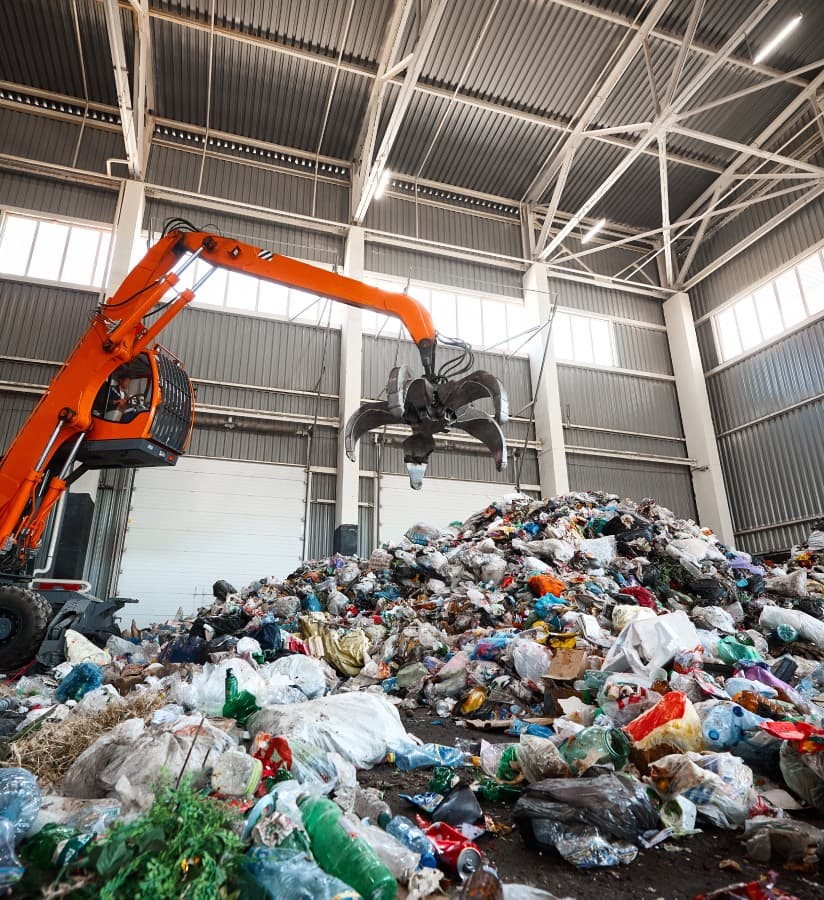
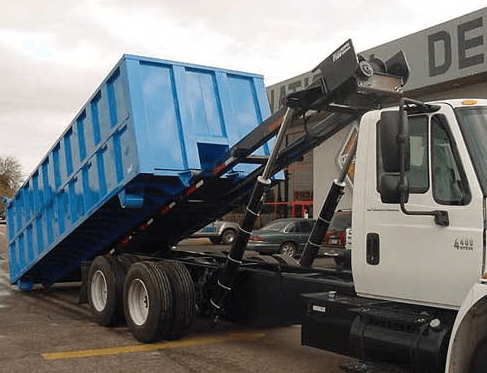
For your recyclable materials, Zikloa schedules collection with 15, 20 and 30 m³ roll-off containers or a grapple crane and weighs every load on certified scales. Each pickup gets a reliable weight you can enter in your log and reconcile with your reports. Learn about our industrial waste collection service.
If you need specific documentation for your management plan or an audit, share the requirement when you request a quote and we'll review how to cover it in your collection program.
- #waste manifest
- #traceability
- #hazardous waste
- #mexico compliance
- #environmental records
Frequently asked questions
What should we do if the receiving facility never returns the signed manifest?
Follow up with the hauler and the facility first. If 60 calendar days pass from the date the hauler collected the waste without the original signed by the receiver, the regulations require you to notify SEMARNAT.
Do recyclables and special handling waste need a manifest in Mexico?
The federal manifest applies to hazardous waste. For special handling waste, each state sets its own documentation rules, and some require manifests or state forms, so check the rules where your plant operates.
Can we keep manifests only in our corporate EHS software?
Scanning them into your system makes tracking and audits easier, but keep the signed originals unless the authority says otherwise. Generators must retain manifests for five years.