Brass and bronze: how to identify and sell them for the best price
Brass and bronze look alike but are graded differently. Learn to identify them, strip out steel and plastic, and prepare lots that earn a fair quote from buyers in Mexico.
By Zikloa TeamPublished 5 min read
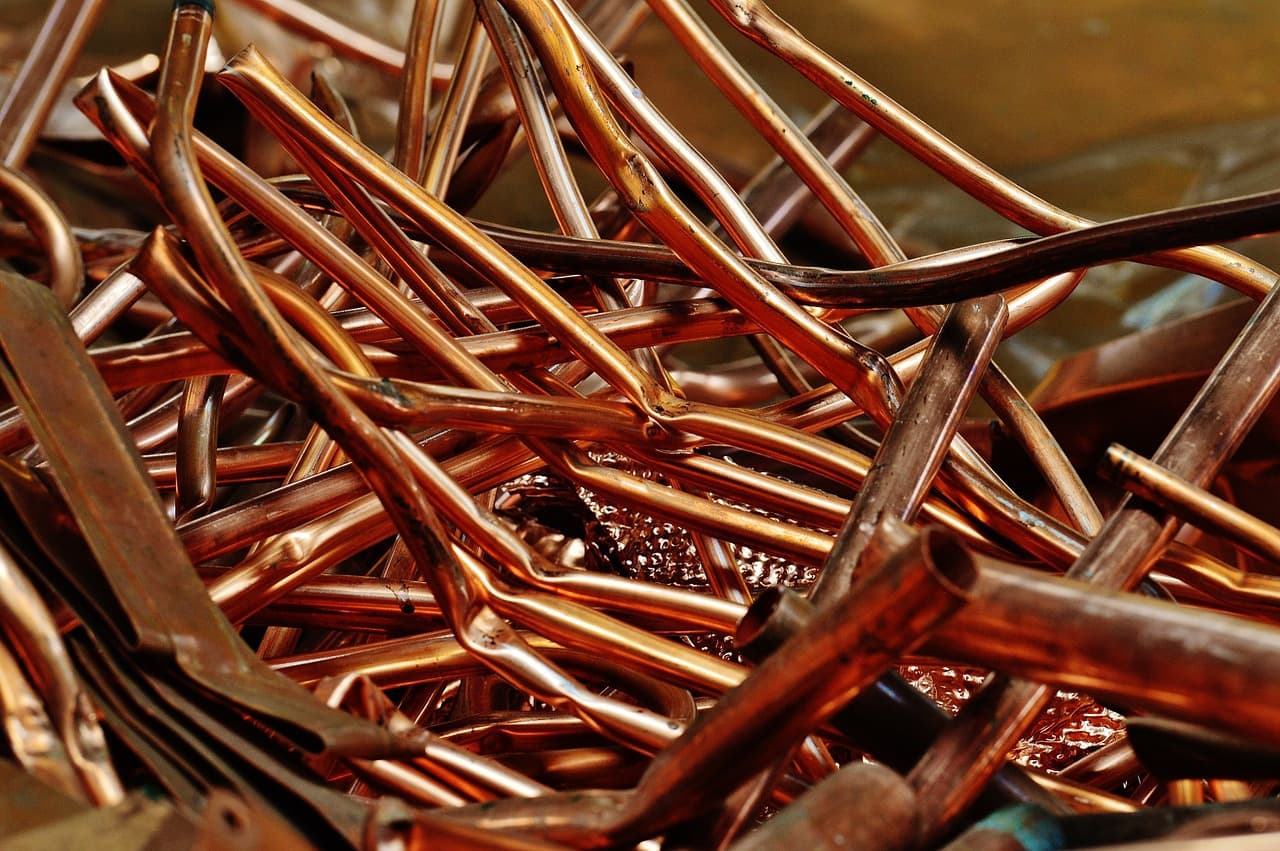
Key takeaway: Brass is an alloy of copper and zinc with a golden yellow color; bronze is an alloy of copper and tin, sometimes with other elements, with a redder or browner tone. Both are valuable, non-magnetic, non-ferrous metals, but they are graded in different categories. Identifying them correctly, keeping them apart and stripping out steel and plastic is what determines the price you get.
Valves swapped out by maintenance, plumbing fittings, worn bushings, hardware and turnings from machined parts: almost every plant generates brass or bronze, yet few have it properly identified. Brass and bronze recycling often falls in a gray zone between copper and general scrap, and that is where value leaks away.
For operations in Mexico, there is an extra wrinkle. Your US team may talk about yellow brass, red brass or bronze solids, while floor staff and local buyers use Spanish names such as latón, latón rojo and bronce. This guide helps you recognize each alloy, find where it shows up, avoid the contaminants that hurt price most and prepare lots a buyer can grade without unnecessary deductions.
Brass and bronze: what they are and why they get mixed up
Both are copper-based alloys, so they share traits: they are heavy, non-magnetic and corrosion-resistant, and over time they develop a patina that hides their true color.
- Brass: copper and zinc. Depending on the ratio, it ranges from pale yellow to deep gold. Red brass contains more copper and has a warmer tone. Some brasses include small amounts of lead to improve machinability.
- Bronze: copper and tin. Harder and more wear-resistant. Variants with other elements, such as phosphor bronze or aluminum bronze, are used in demanding mechanical applications.
Trade names do not always match exact composition, so agree with your buyer, in writing and in both languages if needed, on what each category includes.
Where they show up in a plant
Brass
- Valves, faucets and fittings for water, gas and compressed air.
- Electrical terminals, connectors and threaded inserts.
- Locks, hinges and hardware.
- Turnings from machined brass parts.
Bronze
- Bushings, bearings and sleeves.
- Pump impellers and housings.
- Worm gears and wheels.
- Industrial valves and castings.
How to identify them: practical tests
| Test | Brass | Bronze | Copper (reference) |
|---|---|---|---|
| Color of clean metal | Golden yellow | Reddish, brown or dark gold | Reddish orange or pinkish |
| Magnet | No response | No response | No response |
| Typical patina | Dull, greenish | Dark brown to greenish | Green or black |
| Common uses | Fittings, valves, hardware | Bushings, bearings, castings | Wire, tube, bus bar |
How to apply the table on the floor:
- Clean before judging. A file, sandpaper or wire brush on a small spot reveals the real color.
- Compare against known samples. Keep one identified brass piece and one bronze piece at the sorting station and compare in natural light.
- Use the magnet to find hidden steel, not to tell brass from bronze.
- Consider what the part does. A wear bushing is usually bronze; a threaded plumbing fitting is usually brass.
- Leave doubtful cases to the buyer. Recyclers and foundries commonly use handheld X-ray fluorescence analyzers that identify the alloy quickly.
Red brass and some bronzes can look nearly identical. When in doubt, a separate, well-labeled lot beats a mixed one.
What drags the price down
- Attached steel: screws, springs, stems, handles and flanges.
- Plastic and rubber: gaskets, seals, handles and coatings.
- Chrome- or nickel-plated parts mixed with clean brass; many buyers grade them separately.
- Copper or aluminum in the same container.
- Wet or oily turnings, discounted for the weight that is not metal.
- Dirt, process residue and trash inside the lot.
Composition matters downstream as well. Foundries that remelt brass and bronze have to hit specific alloy targets, and some end uses, such as drinking-water fittings in many markets, require low-lead alloys. The more predictable your lots are, the easier they are to place, and the more confidently a buyer can price them.
How to prepare lots for the best price
- Sort into at least four groups: clean brass, bronze, parts with steel or plastic attached, and turnings.
- Remove steel when it is quick and safe. If taking a part apart is slow or needs special tools, report it as a part with iron attached instead.
- Set plated parts aside.
- Accumulate a reasonable volume before requesting pickup, in lidded containers inside a secure area.
- Insist on verifiable weighing and a ticket per category. Our guide to certified scales explains what to check.
- Document every sale with category, weight and a CFDI invoice.
Not every cleaning effort pays. Unbolting a large steel handle with a wrench is worth it; dismantling small parts at the risk of injury is not.
Brass turnings: a stream that deserves its own attention
Shops that machine fittings, valves or threaded inserts generate brass turnings continuously, and they are often the largest non-ferrous stream in the plant. Their value depends almost entirely on how clean they arrive:
- A dedicated container per machine or cell, never mixed with steel or aluminum chips.
- A magnet check on a sample before closing each lot. A few steel spirals are enough for the buyer to downgrade it.
- Drain before storing. Cutting fluid is deducted from the weight and can leak during transport.
- Keep solids out. Rejected parts and bar ends belong in a different category; do not bury them in turnings.
- Record the alloy machined in each cell, especially if you alternate between brasses with different lead content.
If your volume of turnings is high, it is worth evaluating chip drying: the difference between wet and dry turnings shows up directly in your quote. Plants that changed machining lines during a nearshoring ramp-up should also recheck which alloys each cell now runs, since a new part number can quietly change what goes into the bin.
Fitting brass and bronze into your non-ferrous program
Brass and bronze belong inside a broader metals program. If your plant already separates ferrous from non-ferrous scrap, the next step is splitting non-ferrous by metal: copper, brass, bronze and aluminum, each in its own container. The general sorting criteria are in our guide to ferrous vs. non-ferrous scrap, and handling pure copper is covered in the copper recycling guide for businesses.
How Zikloa can help
Zikloa buys copper and non-ferrous metals, including brass and bronze, weighing on certified scales and documenting every transaction. We help you define categories and schedule pickups around your production rhythm, from our offices in Nuevo León and Mexico City.
If you have brass or bronze parts piling up, request a quote for your non-ferrous scrap.
- #brass
- #bronze
- #non-ferrous metals
- #scrap metal
Frequently asked questions
How can we tell brass from bronze without special equipment?
File or sand a small spot and look at the clean metal: brass leans golden yellow, bronze leans reddish or brown. If the difference is not obvious, set the part aside and let the buyer confirm it with an analyzer.
Are brass and bronze magnetic?
No. Both are copper-based alloys and do not respond to a magnet. If a part attracts a magnet, it almost certainly has steel components such as screws, springs or stems that should be removed or reported.
Can brass go in the same lot as copper?
It is not advisable. Copper has a higher base-metal content and sits in a different category; if brass ends up in a copper lot, the buyer has to regrade it and will apply the criteria for the lower-copper alloy.