Ferrous vs. non-ferrous scrap: differences and how to sort them
Ferrous and non-ferrous scrap differ in value, handling and logistics. Learn how to tell them apart on the shop floor and build a sorting system your Mexican team will use.
By Zikloa TeamPublished 5 min read
Key takeaway: Ferrous scrap is based on iron (steel, cast iron), almost always sticks to a magnet and comes in large volumes. Non-ferrous scrap (aluminum, copper, brass, bronze and others) contains no iron as a base metal, comes in smaller quantities and is worth considerably more per kilogram. Separating the two where they are generated is the single most effective way to protect the value of your metal scrap.
In many plants, every piece of metal ends up in the same "steel" container. It is convenient and expensive. Understanding ferrous vs. non-ferrous scrap is not an academic exercise: it decides who buys each material, how it gets collected and how much you are paid for it. A kilogram of aluminum or copper tossed into the steel bin is usually paid at the steel price.
For companies running operations in Mexico, there is an extra layer: sorting rules have to work for a bilingual team, across shifts, often with high staff turnover. This guide covers how to tell the two families apart with simple floor tests, which mistakes cost the most, and how to set up containers and pickups for each stream.
What counts as ferrous and non-ferrous scrap
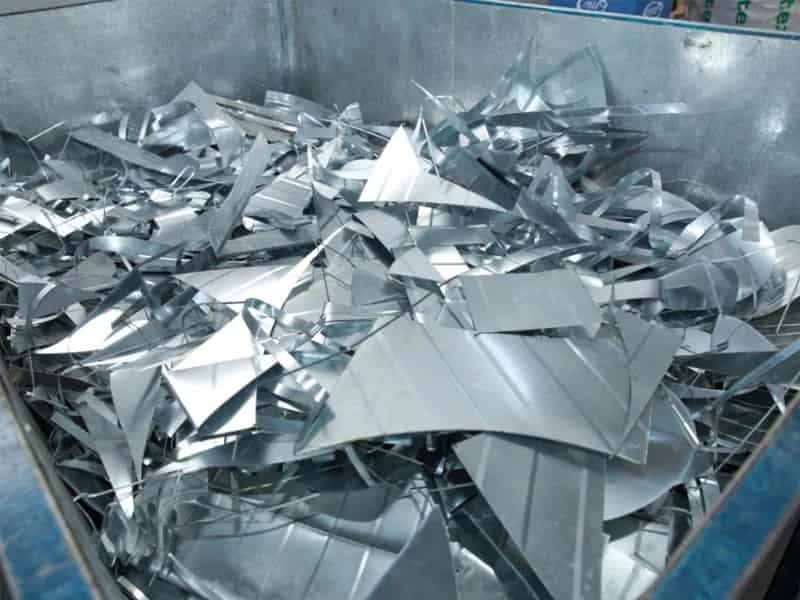
Ferrous scrap comes from metals and alloys whose main component is iron: carbon steel, alloy steel and cast iron. In a plant it shows up as sheet and stamping offcuts, beams and structures, decommissioned machinery, racks and shelving, and steel machining chips.
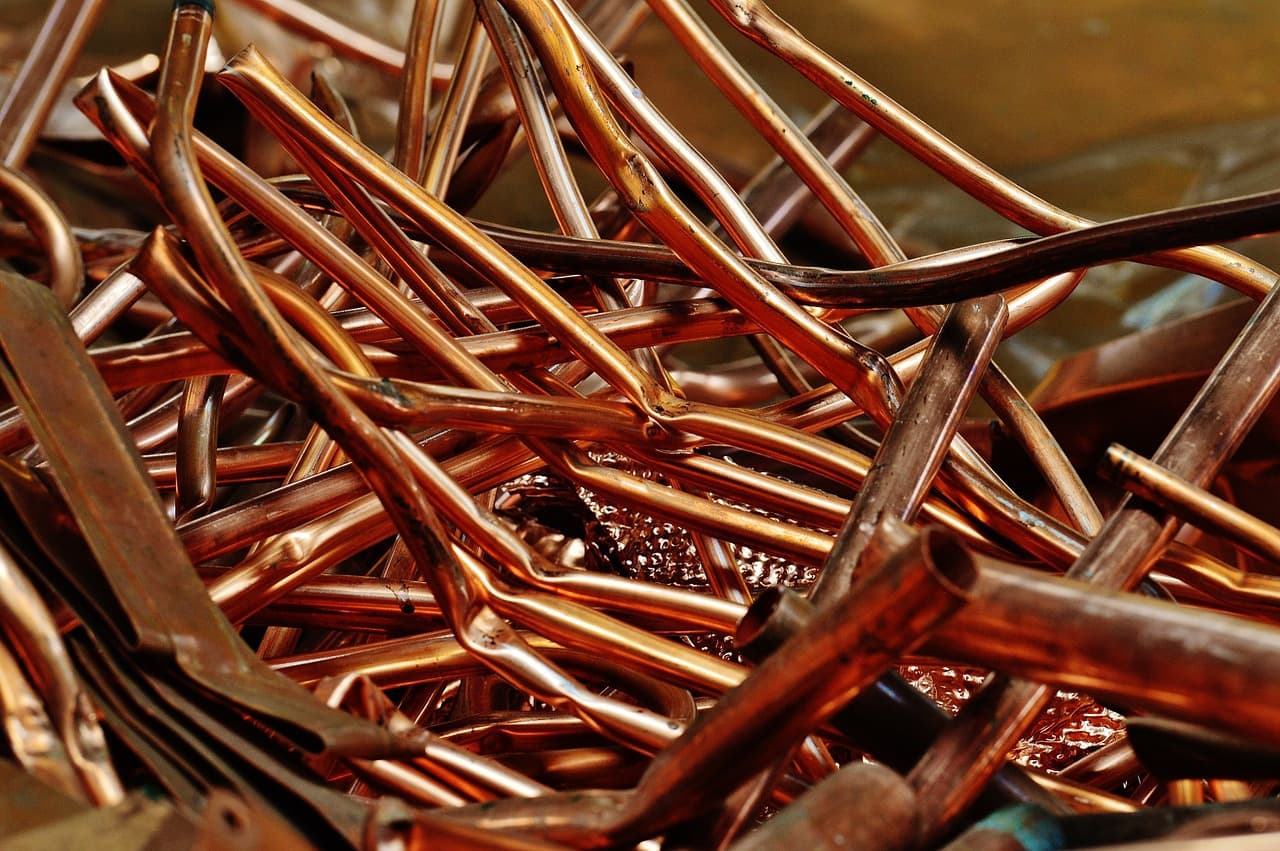
Non-ferrous scrap comes from metals that are not iron-based: aluminum, copper, brass, bronze, zinc, lead, nickel and tin, among others. Typical industrial sources include cable, aluminum extrusions and castings, valves and fittings, heat exchangers, beverage cans and chips from machining non-ferrous parts.
Stainless steel is a special case. It is ferrous by composition but contains chromium and, in many grades, nickel. Several grades are only weakly magnetic or not magnetic at all, and stainless is worth more than plain steel, so it is traded as a separate category.
Side-by-side comparison
| Characteristic | Ferrous scrap | Non-ferrous scrap |
|---|---|---|
| Base metal | Iron | Aluminum, copper, zinc, tin, nickel, lead |
| Magnet response | Usually yes | No |
| Typical corrosion | Red rust | No red rust; dulls or develops a patina |
| Value per kg | Lower | Considerably higher |
| Volume in a plant | High | Lower |
| Usual destination | Steel mills and iron foundries | Non-ferrous smelters and refiners |
| Handling | Bulk, roll-off containers, cranes | Closed containers in a secure area |
In short: ferrous scrap is a volume and logistics game; non-ferrous scrap is a purity and control game.
Five quick tests your team can run on the floor
- Magnet. Use a strong magnet and test several spots. If only one area attracts, you probably have a non-ferrous part with steel inserts, screws or shafts.
- Color and corrosion. Red rust means iron. Light silvery gray suggests aluminum; reddish or pinkish, copper; golden yellow, brass; reddish brown, bronze.
- Relative weight. Aluminum feels light for its size; copper, brass and bronze feel heavy; lead feels very heavy.
- Scratch or file. Paint, patina and grime are misleading. A small scratch reveals the true color.
- Origin. Ask production or maintenance what material the drawings or purchase orders specify. If a cell only machines aluminum, its chips are aluminum.
When in doubt, set the piece aside in a bin marked "to be identified" instead of guessing. Recyclers typically confirm composition with handheld analyzers. Copper alloys are the most commonly confused, so our guide to identifying brass and bronze goes deeper.
What about coated, plated or painted metal?
Coatings change how a part looks, not what it is made of. Galvanized sheet is steel with a zinc layer, so it belongs with ferrous scrap. Chrome- or nickel-plated faucets and fittings are usually brass underneath and stay in the non-ferrous family, although buyers often grade plated pieces separately from clean brass. Painted or powder-coated aluminum is still aluminum, but keep it apart from bare material if your volumes allow, because coatings have to be removed before melting. The magnet test still works through thin coatings, which makes it the first check for any finished part.
The sorting mistakes that cost the most
- Non-ferrous metals in the steel bin. The most common and most expensive mistake: you lose the entire price difference.
- Aluminum with unmarked steel inserts. A "clean" aluminum lot with hidden steel gets downgraded as a whole.
- Stainless mixed with carbon steel. The stainless ends up paid as ordinary steel.
- Chips from different metals in the same drum. Once mixed, they are nearly impossible to separate.
- Trash in metal containers. Wood, plastic, cardboard or dirt are deducted from the weight and can trigger rejections.
Setting up metal sorting in a Mexican plant
The goal is to make sorting easier than mixing. Map where each stream is generated, then give each one a container, a location and an owner. Label containers in Spanish first, with English underneath, using the words your operators actually use: fierro or acero for steel, aluminio, cobre, latón, bronce and inoxidable.
| Stream | Suggested container | Pickup trigger |
|---|---|---|
| Bulky ferrous (structures, machinery) | Bulk area or 30 m³ roll-off | Accumulation |
| Process ferrous (offcuts, stampings) | 15 or 20 m³ roll-off near the line | Scheduled |
| Aluminum | Closed container or labeled cage | Accumulated weight |
| Copper, brass and bronze | Lidded drums or boxes in a secure area | Accumulated weight |
| Stainless steel | Dedicated container | Accumulation |
| Chips, one container per metal | Containers with drip trays | Frequent |
Add photo examples on every container and run a weekly contamination check. Our article on source separation and in-plant recycling stations covers placement and signage in more detail.
Each stream moves differently
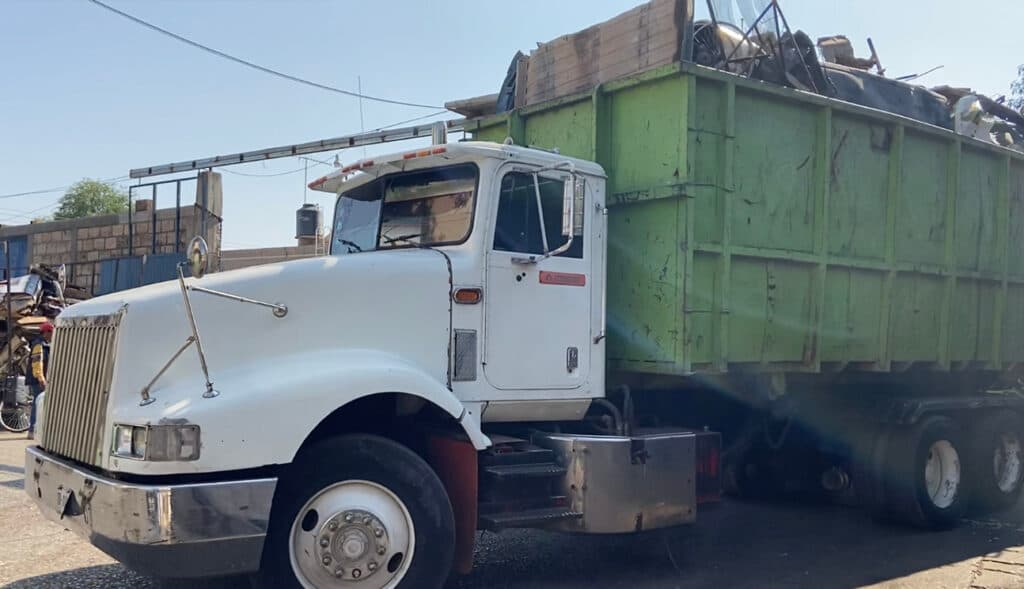
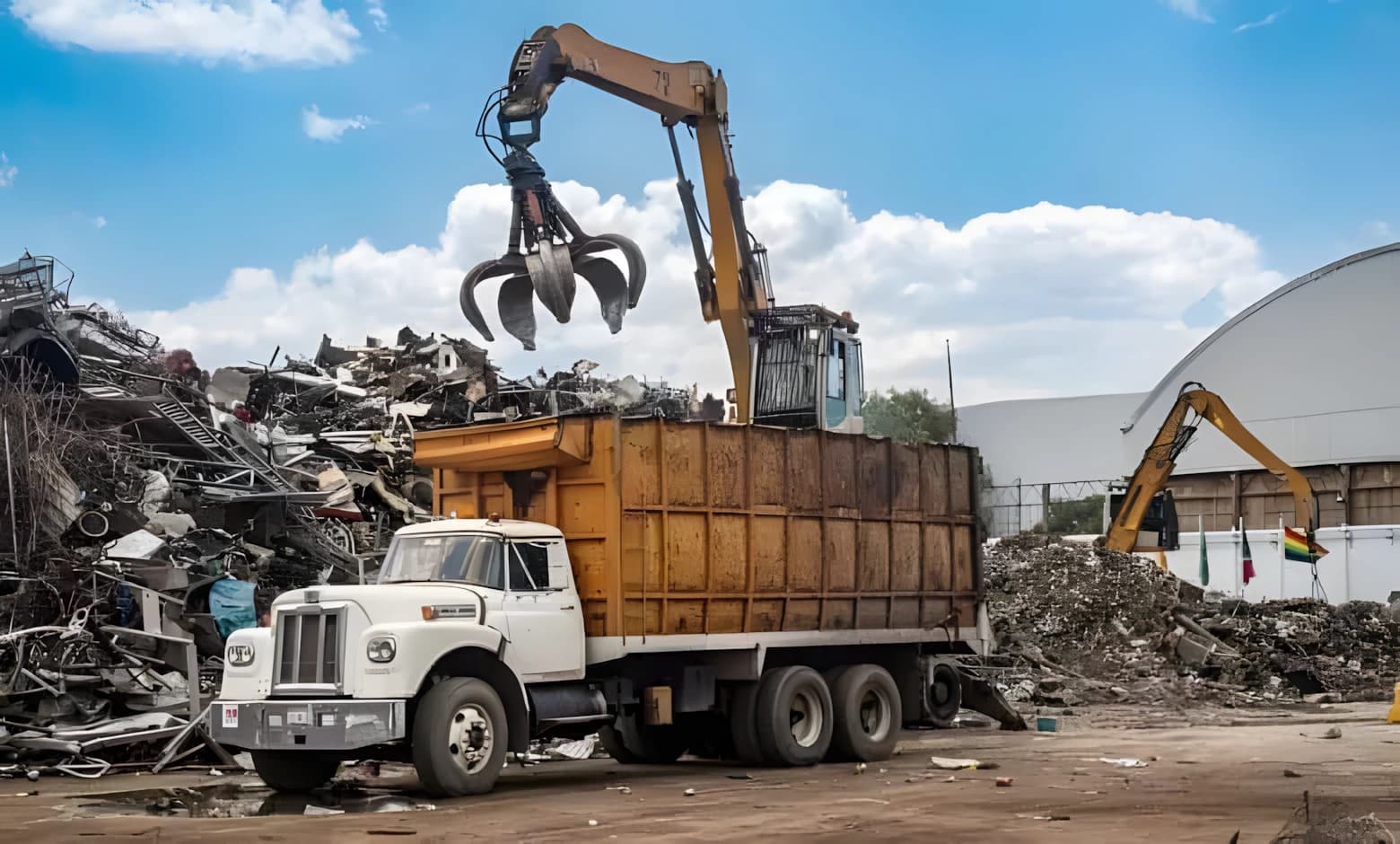
Ferrous scrap is heavy, bulky and constant. Roll-off containers work well for process offcuts because a full box is swapped for an empty one without stopping the line. For structures, machinery or loose piles, loading with a grapple crane avoids manual handling and clears the yard faster.
Non-ferrous scrap takes less space but concentrates more value. Keep it in closed containers inside an access-controlled area and schedule pickups by accumulated weight. Weigh and document every non-ferrous shipment separately from ferrous loads so your records show exactly what left the plant.
How Zikloa can help
Zikloa buys and collects both ferrous scrap, including iron, steel and cast iron, and non-ferrous metals such as aluminum, copper, brass and bronze. We operate roll-off trucks with 15, 20 and 30 m³ containers, a grapple crane for bulk material and certified scales to weigh each stream separately.
If you want to organize metal sorting at your plant, talk to our team and request a quote.
- #ferrous scrap
- #non-ferrous metals
- #waste sorting
- #scrap metal
Frequently asked questions
Is stainless steel ferrous or non-ferrous scrap?
By composition it is ferrous, since its base is iron, but many stainless grades barely respond to a magnet. Buyers trade it as its own category, so keep it apart from both carbon steel and non-ferrous metals.
What should we do with parts that combine steel with aluminum or copper?
If they can be taken apart safely with basic tools, separate them, because each clean metal is worth more on its own. If not, store them as a mixed category and tell the buyer so the lot is graded and priced correctly.
What do Mexican floor staff call ferrous scrap?
You will often hear fierro or chatarra ferrosa for iron and steel scrap, and no ferrosos for non-ferrous metals. Using these terms on container labels, alongside English, reduces sorting mistakes.