8 industrial recycling myths that cost your company money
Believing recycling is always a cost, that mixing saves time or that weights can't be checked costs many plants money. We review eight myths and what to do instead.
By Zikloa TeamPublished 5 min read
Key takeaway: Many companies lose money on recycling because of beliefs that don't hold up: that recycling is always a cost, that mixing saves time, that weights can't be verified or that price per kilo is all that matters. Correcting these eight myths helps you recover value from your materials and reduce risk at your plant in Mexico.
Recycling myths aren't harmless. In an industrial plant, each mistaken belief turns into material sold for less than it's worth, disposal costs that could be avoided or legal exposure nobody had on the radar. For companies new to Mexico, some of these myths come from experience in other markets, where waste and recycling may work differently. The good news is that most of them can be corrected without investment, just with better information and new habits.
We've grouped them into four themes: the value of your materials, daily operations, vendors and pricing, and the quality of recycled material.
Myths about the value of your materials
Myth 1: "Recycling is always a cost"
Some waste does cost money to handle. But metals, cardboard, paper and many clean, separated plastics have buyers in Mexico and generate revenue. The problem is that when everything is handled as one "trash" service, the revenue from valuable materials gets buried inside the cost of everything else. Split disposal costs and material revenue in your accounting and you'll see the real balance.
Myth 2: "Only PET and aluminum are worth anything"
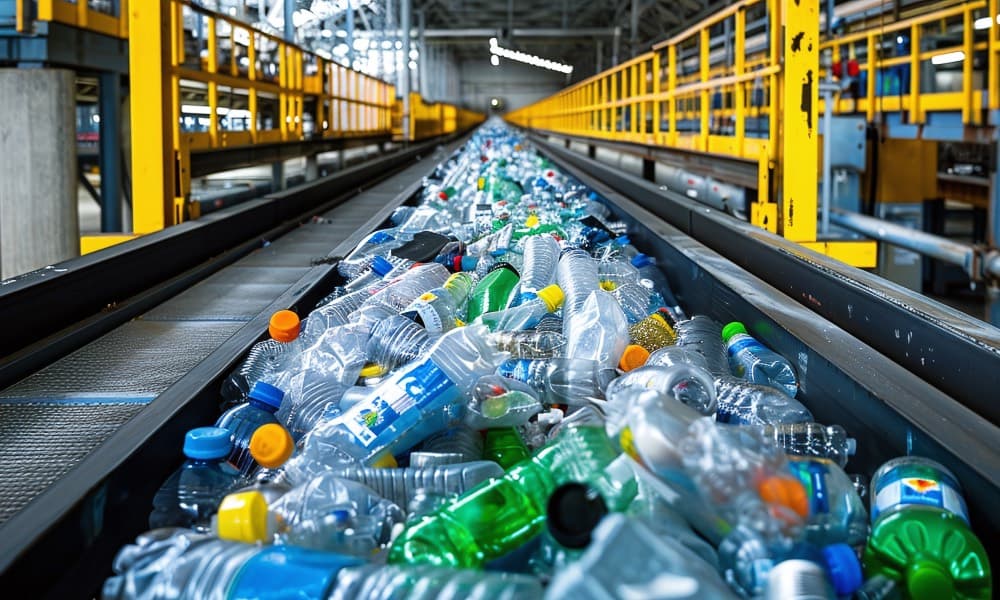
They're the best known, but far from the only ones. HDPE, LDPE film and bags, PP, PS, engineering plastics such as ABS, copper, bronze, brass, ferrous scrap, cardboard and archive paper all have commercial outlets. Value depends on material type, cleanliness, how it's delivered and market conditions. Before writing off a stream, ask.
Myths about daily operations
Myth 3: "Putting everything in one container is more efficient"
Mixing saves a few minutes on the production floor and costs a lot later. A mix tends to be worth what its least valuable component is worth, and sometimes it becomes unrecyclable: cardboard contaminated with food waste or grease loses value, and plastic mixed with other resins may find no buyer. Sorting later costs more than separating at the source, and it isn't always possible.
Myth 4: "Moisture and oil in metal chips don't matter"
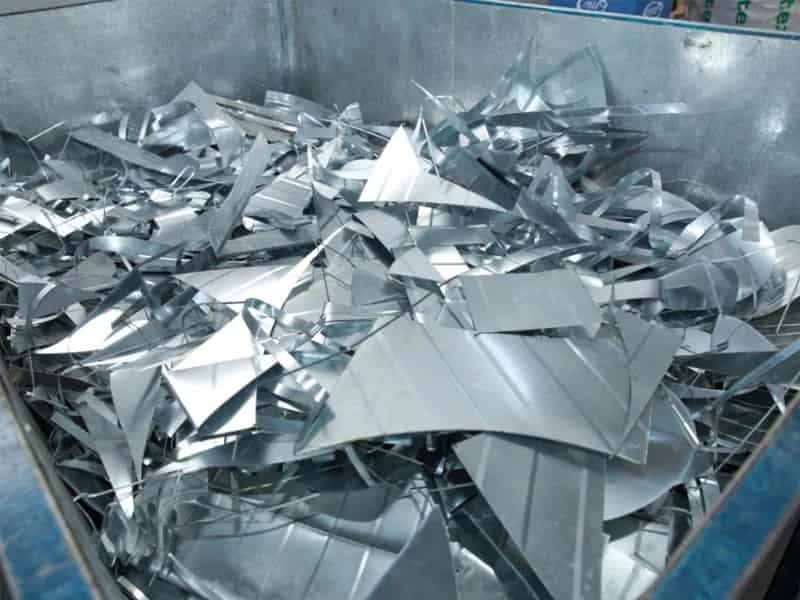
Machining chips often come out soaked in coolant or cutting oil. That liquid isn't metal: the buyer deducts it from the weight or lowers the price. Wet material is also a hazard at the foundry, because moisture in contact with molten metal can cause dangerous ejections, and dripping fluids are an environmental issue in your storage area. Draining or drying chips changes their value. We explain how in metal chip drying: what it is and why it raises scrap value.
Myth 5: "Small volumes aren't worth recycling"
Volume affects logistics, but it doesn't turn valuable material into trash. The answer is to accumulate in the right container and schedule pickups to match your generation rate. Roll-off containers of 15, 20 or 30 m³, or consolidating several materials with a single vendor, give small streams a profitable outlet.
Myths about vendors and pricing
Myth 6: "The best buyer is the one with the highest price per kilo"
Price per kilo is just one variable. What you actually receive also depends on weighing accuracy, the deductions applied, pickup reliability and the documentation you get. A high price with an inaccurate weight or irregular pickups can leave you with less money than a lower but dependable offer. And if the vendor doesn't handle your waste in line with Mexican regulations, the risk comes back to your company and shows up in your next corporate audit. Start by understanding how scrap metal prices are set in Mexico so you can compare offers on a fair basis.
Myth 7: "The buyer sets the weight and there's no way to check it"
There is. Require weighing on certified scales, keep the ticket for every load and, if you have your own scale, compare periodically. Systematic differences, even small ones, add up over a year. It's worth reading why accurate weighing protects your revenue.
Myths about recycled material
Myth 8: "Recycled raw material is always lower quality"
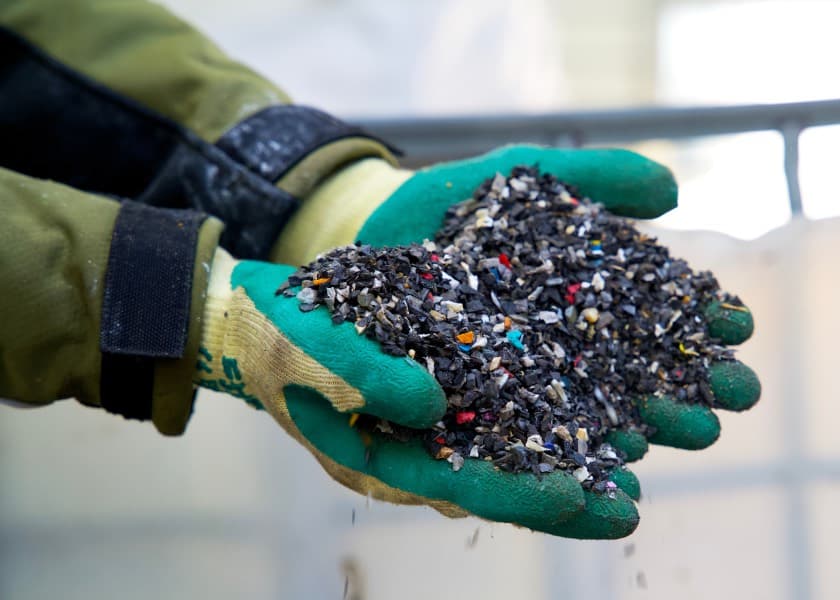
The quality of recycled material depends on separation, processing and the supplier's controls, not on its origin. Reprocessed material with a technical data sheet, measured properties and consistent lots can meet the specification for many applications. What is true is that not every recycled material works for everything: you need to pick the right grade and validate it with trials.
If a global specification requires virgin material by default, it's worth asking whether that's a technical requirement or a legacy choice. Sourcing recycled or virgin inputs locally in Mexico can also shorten lead times compared with importing every resin, which is often a goal of nearshoring in the first place.
Summary: myth, reality and what to do
| Myth | Reality | What to do |
|---|---|---|
| Recycling is a cost | Many materials generate revenue | Separate disposal costs and material revenue in your books |
| Only PET and aluminum pay | Many plastics, metals and fibers have markets | Ask about the value of each stream before discarding it |
| Mixing is efficient | Mixes lose value or become unrecyclable | Separate at the source with labeled containers |
| Moisture doesn't matter | It's deducted and is a foundry hazard | Drain or dry chips |
| Small volumes don't pay | Logistics can match the volume | Accumulate and schedule pickups |
| Highest price wins | Weight, deductions, service and paperwork count | Compare total value received |
| Weights can't be checked | Certified scales and tickets exist | Keep tickets and reconcile |
| Recycled is inferior | It depends on process and controls | Ask for data sheets and validate |
How to find out what these myths cost you
A quick diagnostic you can run this week:
- Check the general trash container and note which recoverable materials you find.
- Compare weights on recent sales tickets against your own records.
- Calculate what you paid for disposal last quarter and what you received for materials.
- Ask your vendor what documentation they provide for each service.
- Review whether your waste contract bundles recoverable materials into a single disposal fee.
Any one of these checks can reveal money left on the table, and together they give you a baseline to measure improvement.
How Zikloa can help
Zikloa buys, collects and processes scrap and recyclable materials, with more than 15 years of experience and more than 10,000 tons recycled every month. We weigh on certified scales, collect with roll-off containers and a grapple crane for bulk material, and document every service. Learn how our scrap metal buying and selling service works.
If you suspect one of these myths is costing your plant money, request a quote for your materials.
- #recycling myths
- #scrap metal
- #material value
- #industrial recycling
Frequently asked questions
How can we tell if our recycling program is losing money?
Compare revenue from materials sold against disposal costs for what goes to landfill, and check how much recoverable material ends up in the general trash container. If you can't calculate either, that's the first problem to fix.
Is separating materials worth it for a small plant?
Usually yes, at least for high-value streams such as metals and cardboard. Separation doesn't require large volumes, just the right containers and a pickup frequency that matches your generation rate.
Why do two buyers report different weights for the same material?
Uncalibrated scales, moisture or contamination deductions applied differently, or recording errors. That's why weighing on certified scales and keeping a ticket for every load matters.