How scrap metal prices are set in Mexico
There is no single scrap price in Mexico. Learn how buyers build a quote, how to benchmark it against US figures, and which factors your plant can actually control.
By Zikloa TeamPublished 5 min read
Key takeaway: Scrap metal prices in Mexico are not fixed. Each lot is priced from the market benchmark for its metal and the peso-dollar exchange rate, then adjusted for quality, preparation, volume and logistics. Once you understand that structure, you can compare offers on equal terms, benchmark them correctly against US figures, and improve the factors you control.
When a plant manager new to Mexico asks a buyer "what's the price per kilo?", the honest answer is almost always "it depends." Scrap metal prices in Mexico follow global markets, but they also reflect decisions made inside your facility: how you sort, how you prepare and how you hand over the material.
This article breaks a scrap quote into its components so your operations, procurement and finance teams know what is outside your control, what you can improve, and how to compare proposals from different buyers without surprises.
How a scrap quote is built
Every buyer has its own formula, but nearly all of them follow the same structure:
- A market benchmark for the metal, usually expressed in US dollars.
- Conversion to pesos at the current exchange rate.
- Quality adjustments for category, purity, moisture, mixed metals and non-metallic contamination.
- Logistics and volume adjustments for distance, loading equipment, frequency and lot size.
- The buyer's margin, which covers processing, risk and overhead.
Good buyers are not the ones with a secret formula; they are the ones who explain theirs. If you cannot see which adjustments were applied, you cannot judge whether a quote is fair.
Market factors outside your control
Global benchmarks. Non-ferrous metals such as copper, aluminum, nickel and zinc reference prices from specialized exchanges, mainly the London Metal Exchange (LME) and, for copper, also COMEX in New York. When those benchmarks move, local scrap prices tend to follow.
Steel demand. Ferrous scrap responds mostly to demand from steel mills, particularly those that melt scrap in electric arc furnaces, and to international scrap and steel markets.
Exchange rate. Because benchmarks are in dollars, a stronger peso lowers peso-denominated prices even if global markets are flat, and a weaker peso raises them.
Industrial activity. Construction, automotive and general manufacturing drive how much scrap mills and foundries need. When demand softens, buyers usually become stricter on quality.
Regional differences. Freight to the consuming mill, foundry or export point is part of every buyer's cost, so the same material can be priced differently in different regions of Mexico. A plant in an industrial corridor with steelmaking and metalworking activity, such as the Monterrey metropolitan area, may see different conditions than an isolated site, even for identical scrap. If your company runs several plants in Mexico, compare quotes region by region instead of applying a single national figure.
Material factors you can control
This is where your plant wins or loses money. The same ton of metal can be worth considerably more or less depending on how it arrives.
| Factor | Effect on price | What you can do |
|---|---|---|
| Metal type and alloy | Sets the base category | Identify and segregate each metal |
| Mixed metals | Lot is downgraded or penalized | Dedicated bins per metal |
| Non-metallic contamination | Plastic, wood, dirt or trash is deducted | Remove attachments, prevent mixing |
| Moisture and oil | Non-metal weight is deducted | Drain or dry machining chips |
| Size and density | Bulky material costs more to move and prepare | Cut or compact where practical |
| Volume and consistency | Steady lots earn better terms | Consolidate and schedule pickups |
Segregation has the biggest impact, especially between metals with very different values; see our guide to ferrous vs. non-ferrous scrap. If your plant machines parts, metal chip drying is one of the most direct ways to avoid moisture and oil deductions.
Benchmarking Mexican prices against US figures
Corporate teams often compare Mexican quotes with prices they see in the US. Before doing so, normalize the units and the currency:
| Unit | Equivalent |
|---|---|
| 1 kilogram | 2.2046 pounds |
| 1 metric ton | 1,000 kg, or about 2,204.6 lb |
| 1 short ton (US) | 2,000 lb, or about 907.2 kg |
| 1 long or gross ton | 2,240 lb, or about 1,016 kg |
Then convert currency at the same date's exchange rate, and confirm the delivery basis. A US price delivered to a mill is not comparable to a Mexican price that includes pickup at your dock. Grade definitions also differ, so compare like with like.
Logistics, payment and paperwork
Two identical lots can receive different prices for reasons that have nothing to do with the metal:
- Delivery point: pickup at your plant versus delivered to the buyer's yard.
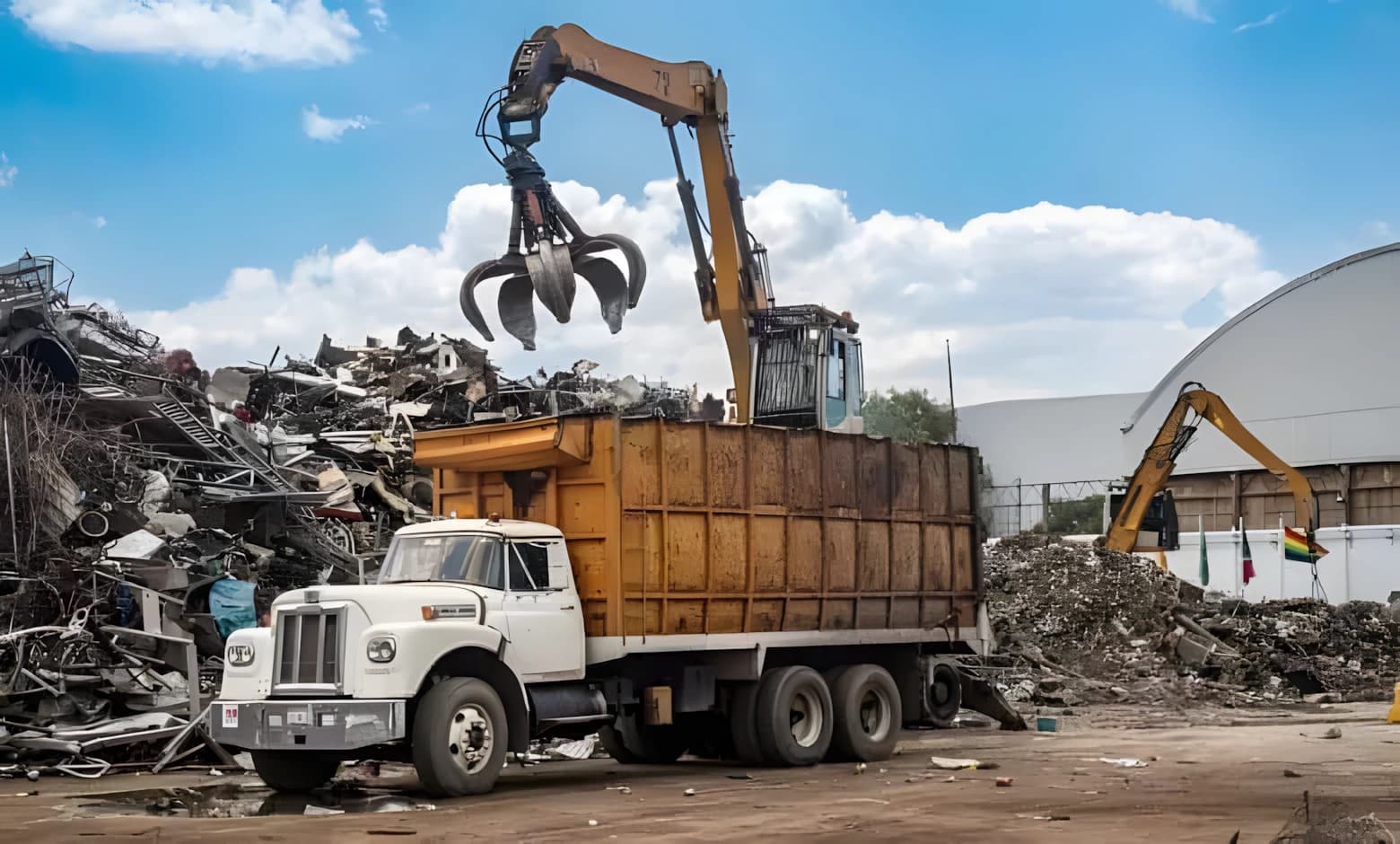
- Loading equipment: bulk material may need a grapple crane; containerized scrap moves faster.
- Frequency: scheduled pickups allow route optimization and usually earn better terms than one-off calls.
- Payment terms and invoicing: payment timing and a proper CFDI electronic invoice are part of the real value of an offer. Check the VAT treatment of scrap sales with your tax advisor.
- Weighing method: a price per kilo is only meaningful if the weight is reliable, which is why certified scales matter.
A checklist for comparing quotes
- Do both quotes describe the same material and category, in writing?
- Is the price applied to net weight, and on whose scale?
- Is pickup included, or is the price delivered to the buyer's yard?
- Which deductions apply, how are they measured, and who validates them?
- What are the payment terms and method?
- Will you receive an invoice, scale tickets and environmental documentation?
- How long is the price valid?
Compare expected net revenue, not headline price. A higher number with vague deductions can pay less than a lower one with transparent rules.
Pricing structures for steady generators
If your plant generates scrap every month, you can negotiate how the price is set:
- Spot pricing: each shipment is priced at the current market. Simple, but fully exposed to volatility.
- Index-linked pricing: an agreed differential against a public benchmark, reviewed on a set schedule. Transparent and easy to audit, which global procurement teams tend to prefer.
- Fixed price for a period: budget certainty, though either party can end up at a disadvantage if markets move sharply.
Whatever you choose, put categories, rejection or downgrade criteria and the weighing procedure in writing.
How Zikloa can help
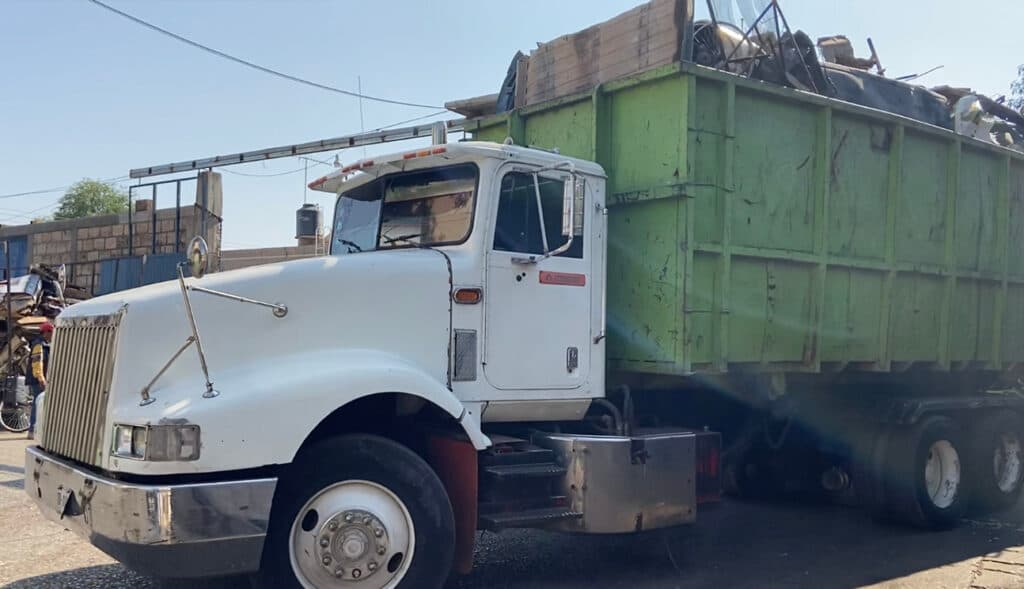
Zikloa quotes based on your actual material, not a generic list. Our scrap metal buying and selling service includes pickup with roll-off trucks or a grapple crane, weighing on certified scales, and documentation for every transaction, with offices in Nuevo León and Mexico City.
To review your current pricing structure or get a value for your metals, request a quote from Zikloa.
- #scrap metal
- #scrap prices
- #metal trading
- #mexico
Frequently asked questions
Are scrap metal prices in Mexico quoted in pesos or dollars?
Most local transactions are quoted in Mexican pesos per kilogram, even though the underlying benchmarks are in US dollars. Some contracts reference dollars directly; whichever you use, state the currency and the exchange-rate source in writing.
Why won't a reputable buyer give us a fixed price per kilo over the phone?
Because a generic figure rarely matches your material. A reliable quote is based on photos, a sample or an inspection, and it accounts for composition, preparation, volume and the delivery point.
Should we hold scrap until prices go up?
Usually not. Stockpiling takes up space, increases theft and deterioration risk, and nobody can time the market reliably. Selling on a steady schedule and negotiating the pricing terms tends to work better than speculating.