LGPGIR: what every company should know about Mexico's waste law
A practical guide to Mexico's General Waste Law (LGPGIR): waste categories, federal vs. state authority, generator duties, penalties and the new 2026 Circular Economy Law.
By Zikloa TeamPublished 6 min read
Key takeaway: Mexico's waste law, the LGPGIR, sorts waste into three categories (hazardous, special handling and municipal solid waste) and assigns each one to a different level of government. Your obligations depend on what type of waste you generate and how much. If your corporate EHS team is used to US or EU rules, the split of authority is the biggest adjustment.
The core of Mexico waste law is the General Law for the Prevention and Integral Management of Waste (Ley General para la Prevención y Gestión Integral de los Residuos, or LGPGIR). It was published in the Official Gazette (Diario Oficial de la Federación) on October 8, 2003. It works alongside its implementing regulations from 2006 and a set of official standards (Normas Oficiales Mexicanas, or NOMs). The latest amendment, published January 19, 2026, links it to the new General Circular Economy Law.
If you run a plant in Monterrey, the Bajío or Mexico City, or manage EHS from a US headquarters, you don't need to read every article. You need to know what waste you generate, which agency oversees it and what paperwork must be current. This guide covers exactly that.
What the LGPGIR covers and who it applies to
The law aims to prevent waste generation, recover value from waste and ensure safe handling of anything that cannot be recovered. It also covers the prevention and cleanup of contaminated sites.
It applies to anyone who generates or handles waste: manufacturers, retailers, service companies, haulers, collection centers and recyclers. Four concepts run through the whole law:
- Valorization (valorización): recovering the economic value of waste through reuse, recycling, co-processing and similar processes.
- Shared responsibility (responsabilidad compartida): producers, distributors, consumers and all three levels of government play a role.
- Integral management (manejo integral): every stage, from source reduction and separation to transport, treatment and final disposal.
- Management plan (plan de manejo): the tool for minimizing generation and maximizing recovery of specific waste streams.
Three waste categories, three levels of government
The first question for any plant is which category each waste stream falls into. That decides the regulator, the transport rules and the documentation.
| Category | What it includes | Main authority |
|---|---|---|
| Hazardous waste (residuos peligrosos) | Corrosive, reactive, explosive, toxic, flammable or infectious waste, plus containers or soil contaminated with it | Federal: SEMARNAT (Ministry of Environment) registers and authorizes; PROFEPA (Federal Environmental Protection Agency) inspects and penalizes |
| Special handling waste (residuos de manejo especial) | Non-hazardous waste from production processes, or municipal-type waste from large generators | Each state government |
| Municipal solid waste (residuos sólidos urbanos) | Household waste and household-like waste from businesses | Municipalities |
In Mexico City, the city government exercises both state and municipal powers. Control of hazardous-waste microgenerators can also be delegated to states through agreements with SEMARNAT.
In a typical factory, scrap metal, cardboard, pallets, stretch film and plastic regrind are usually special handling waste. Used oil, solvents, contaminated rags and fluorescent lamps are usually hazardous. For borderline streams, see our guide on telling hazardous and special handling waste apart.
Core obligations for waste generators
For hazardous waste, generators are ranked by annual volume: microgenerator (up to 400 kg), small generator (400 kg to under 10 metric tons) and large generator (10 tons or more). Unlike the US RCRA system, which uses monthly quantities, Mexico counts per year. Our article on Mexico's waste generator categories covers each tier. In general, you must:
- Identify and classify your waste under NOM-052-SEMARNAT-2005, the hazardous waste classification standard.
- Register as a generator. Large and small generators register with SEMARNAT; microgenerators register with the state or municipal authority, or with SEMARNAT where no federal-state agreement is in place yet.
- Keep a waste log (bitácora) if you are a small or large generator.
- Store hazardous waste for no more than six months from generation, unless an extension is approved.
- Hand waste only to authorized haulers and facilities, with a manifest for every shipment.
- As a large generator, submit a management plan to SEMARNAT, report annually through the Annual Operating Certificate (Cédula de Operación Anual, COA) and carry environmental insurance.
- Leave your site free of hazardous waste and contamination when you close it.
For special handling waste, state laws set the obligations and distinguish between large and small generators. NOM-161-SEMARNAT-2011 lists which of these wastes require a waste management plan.
Why hiring a contractor doesn't end your liability
Responsibility for hazardous waste lies with the generator. You can hire authorized companies to transport, treat or dispose of it. However, the current text of the law states that generator and contractor share joint liability (responsabilidad solidaria).
You must also confirm that each contractor holds current SEMARNAT authorizations before handing over waste. If you don't, you are liable for damage caused by their handling. In practice:
- Request the authorization number for every hauler and receiving facility.
- Check it against SEMARNAT's public database of authorized companies.
- File a copy and review its validity periodically.
A similar logic applies to special handling waste under state laws. Confirm whether your state requires haulers or recyclers to hold a local authorization.
Penalties under the LGPGIR
Administrative penalties can be combined:
- Temporary or permanent, total or partial closure.
- Administrative detention of up to 36 hours.
- Suspension or revocation of permits and authorizations.
- Mandatory remediation of contaminated sites.
- Fines of 20 to 50,000 days of minimum wage, as written in the law. Those references are now calculated using the UMA, Mexico's official reference unit.
These penalties don't rule out criminal liability. During an inspection, PROFEPA typically focuses on paperwork: generator registration, waste log, manifests, storage conditions and contractor authorizations.
What the 2026 Circular Economy Law changed
On January 19, 2026, Mexico published the General Circular Economy Law (Ley General de Economía Circular), which amended several LGPGIR articles. National waste policy must now also follow the principles of circularity, hierarchy and traceability. Rules for municipal and special handling waste now reference the new law. Breaching the new law or extended producer responsibility (EPR) agreements while handling hazardous waste is now listed as a violation.
Much of the new law depends on secondary instruments, such as its implementing regulations and sector agreements to be issued by SEMARNAT. Until those are published, your LGPGIR obligations stay the same. If you manufacture or import products that become waste after use, watch those agreements closely. They may affect the global EPR programs your company already runs elsewhere.
Important note: this guide is for information only and is not legal advice. Each Mexican state has its own laws for special handling waste, and standards change. Confirm your specific obligations with the competent authority or a local environmental consultant.
How Zikloa can help
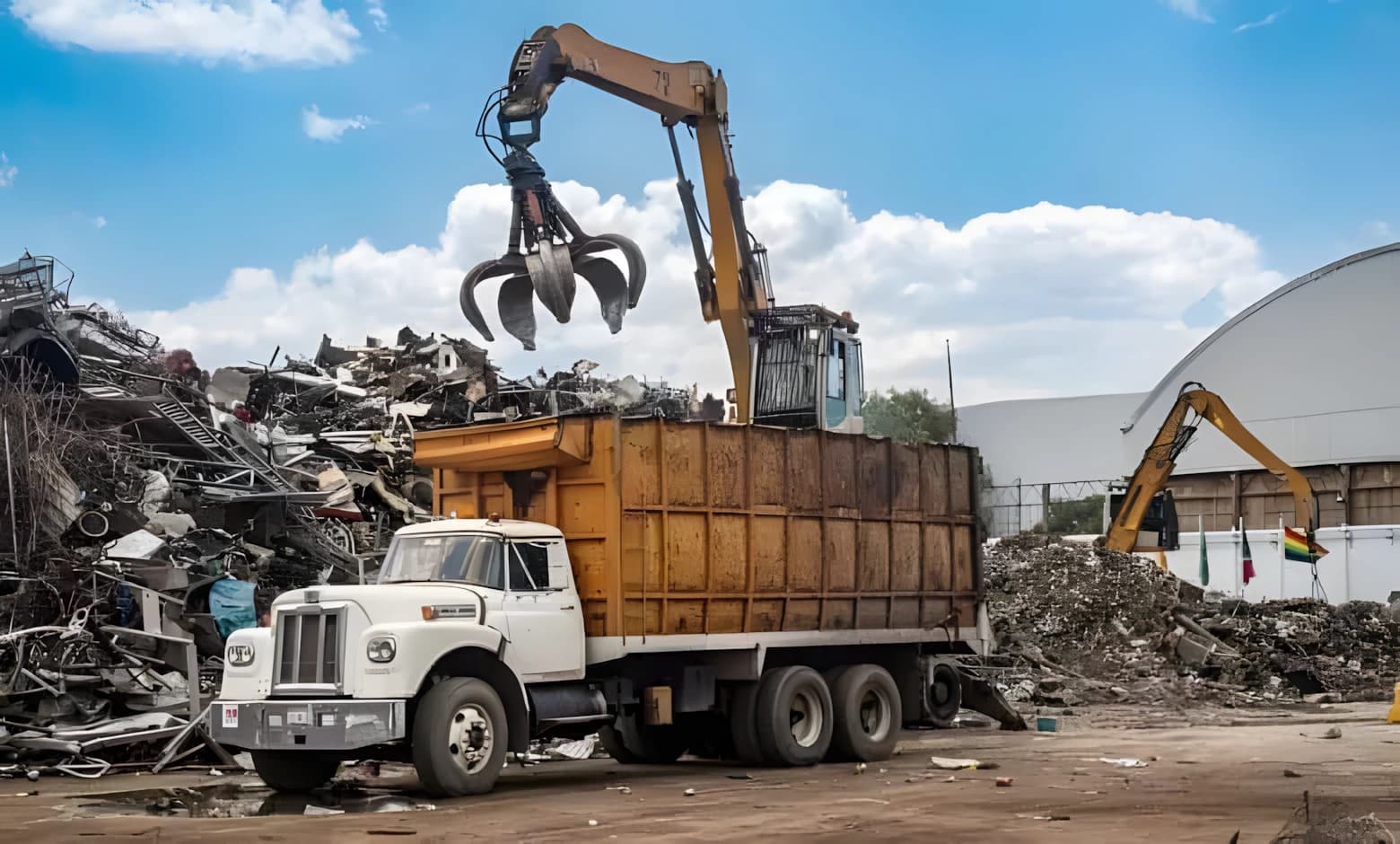
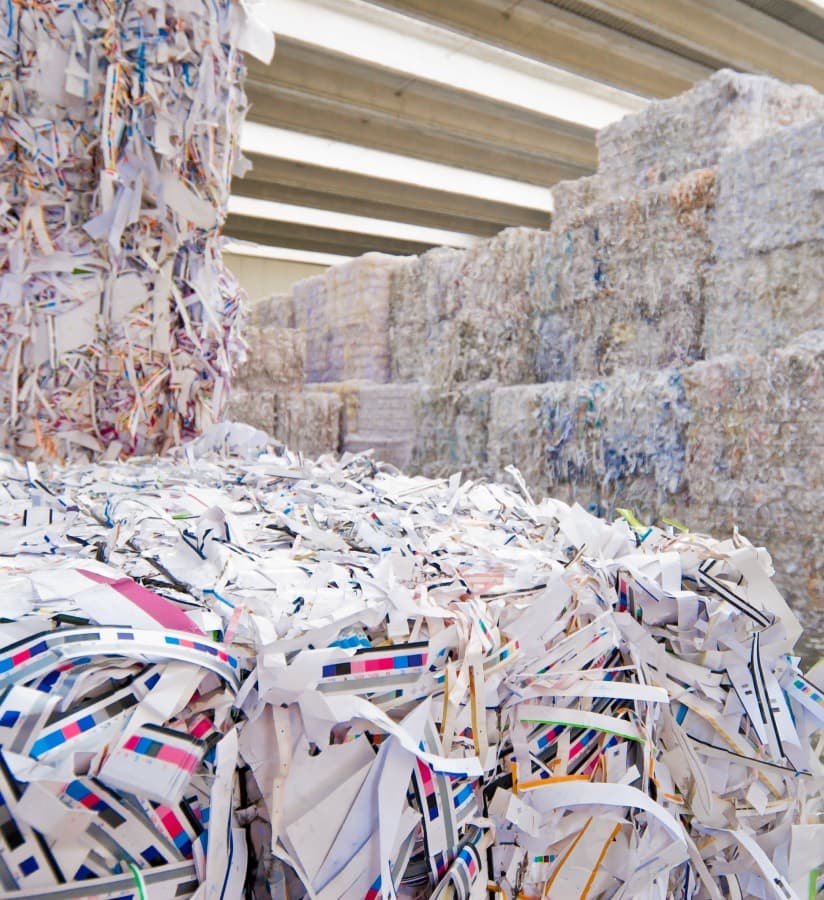
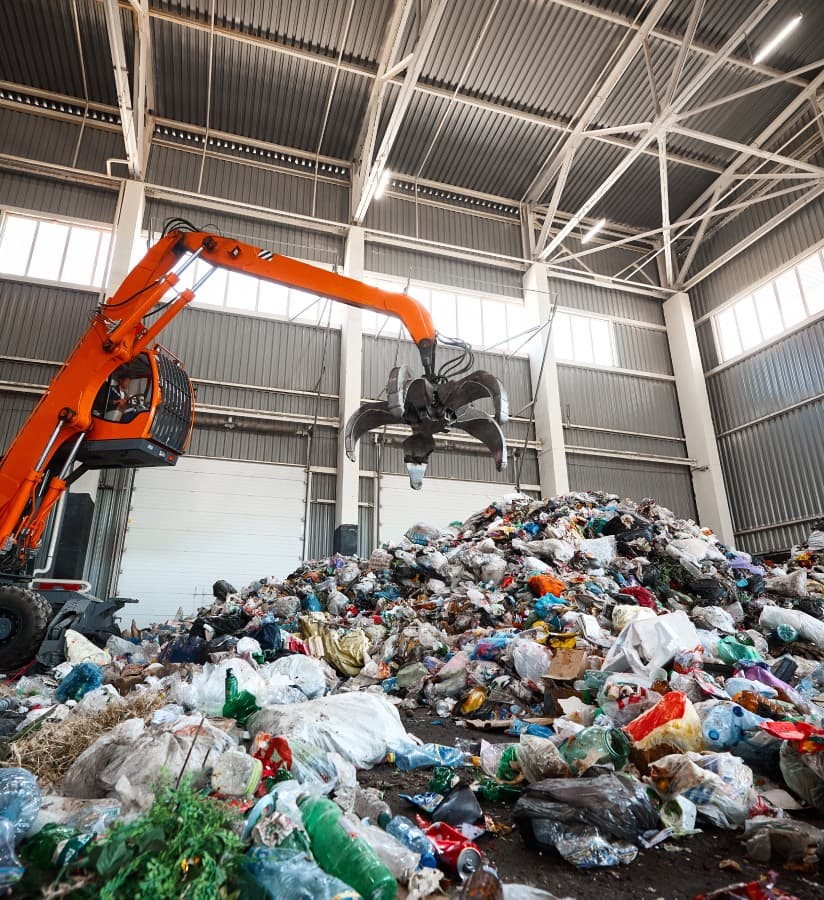
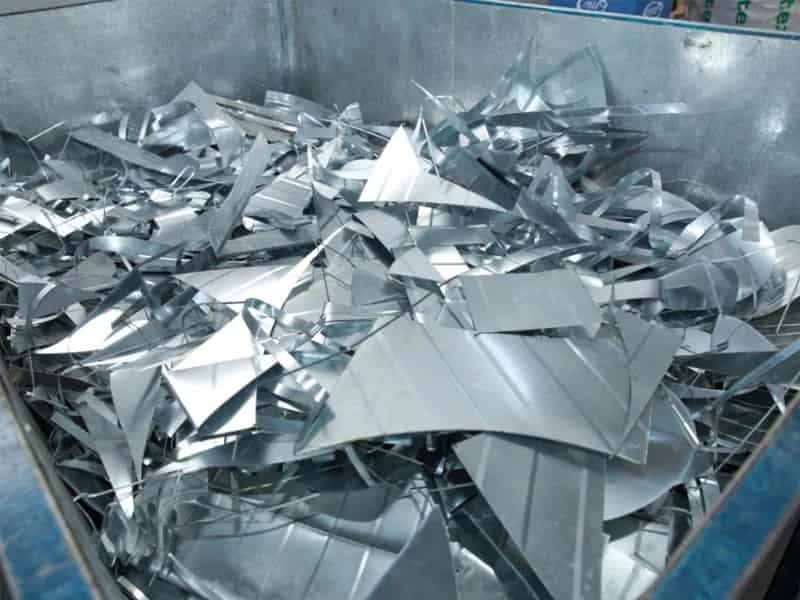
A big part of complying with Mexico's waste law is separating recyclables well and sending them to a documented destination. Zikloa handles metals, plastics, cardboard and paper. We collect with 15, 20 and 30 m³ roll-off containers or a grapple crane and weigh on certified scales, so every load has reliable data for your waste log and corporate reports. Learn more about our comprehensive recycling service.
For hazardous waste you will need a SEMARNAT-authorized provider. If you want to organize your recyclable streams in Nuevo León or Mexico City, tell us what you generate and in what volumes and we'll propose a collection plan.
- #mexico waste law
- #lgpgir
- #environmental compliance
- #nearshoring
- #industrial waste
Frequently asked questions
Does Mexico's waste law apply to foreign-owned plants?
Yes. The LGPGIR applies to any individual or company that generates or handles waste in Mexico, regardless of ownership. IMMEX plants have the same core duties, and federal environmental law adds a rule: hazardous waste from temporarily imported materials must generally be returned to the country of origin.
Which agency enforces the LGPGIR?
For hazardous waste, SEMARNAT registers generators and authorizes service providers, while PROFEPA inspects and imposes penalties. Special handling waste is controlled by each state, and municipal solid waste by local governments.
If I hire an authorized waste contractor, am I still liable?
Partly, yes. For hazardous waste, the law says the generator and the contractor share joint liability, and you must confirm your contractor holds current SEMARNAT authorizations before handing over any waste.