Waste management plans in Mexico: what they are and who needs one
Mexico's waste management plan (plan de manejo) is a legal filing, not just an internal policy. Learn who must file one, what NOM-161 requires and how to build a plan that works.
By Zikloa TeamPublished 5 min read
Key takeaway: In Mexico, a waste management plan (plan de manejo) is a formal document that sets out how a company will reduce, separate, recover and dispose of specific waste streams. Large generators of hazardous waste file with SEMARNAT, the federal environment ministry. Large generators of the special handling wastes listed in NOM-161 file with their state government. A useful plan starts with accurate weights of what your plant actually generates.
A waste management plan in Mexico is not the same as the sustainability policy your headquarters may already have. It is a legal instrument defined by the General Law for the Prevention and Integral Management of Waste (LGPGIR), with required content and a specific authority to submit it to. For many nearshoring plants, it is one of the first environmental filings to sort out after start-up.
This guide explains what the plan is, who must have one, the formats allowed, what the standard requires and how to build it so it reflects your real operation.
What is a plan de manejo?
The LGPGIR defines it as an instrument to minimize generation and maximize recovery (valorización) of municipal solid waste, special handling waste and certain hazardous wastes. It must weigh environmental, technological, economic and social efficiency. It rests on two principles: shared responsibility (responsabilidad compartida) and integral management (manejo integral).
In practice, the plan answers four questions for each waste stream:
- How much do you generate, and where?
- How will you reduce, separate and store it?
- Who receives it and what do they do with it: recycling, co-processing, treatment or disposal?
- How do you measure and prove the plan is being followed?
One useful detail: the regulations allow waste transferred to another company for use as a raw material to be treated as a by-product, as long as the transfer is documented and included in the plan registered with SEMARNAT. That's one more reason for your plan to reflect what you actually sell or hand over, and to whom.
Who must have one?
The obligation depends on waste type and volume:
| Waste type | Who must prepare a plan | Where it is filed |
|---|---|---|
| Hazardous (residuos peligrosos) | Large generators (10 metric tons/year or more), plus producers, importers and distributors of products listed in the law, such as used lubricating oil, solvents, lead-acid batteries or fluorescent lamps | SEMARNAT |
| Special handling (residuos de manejo especial) | Large generators of wastes listed in NOM-161-SEMARNAT-2011, plus producers, importers and distributors of listed products | State government; national or regional plans also go to SEMARNAT |
| Municipal solid waste (residuos sólidos urbanos) | Large generators of municipal-type waste | Municipality, under local rules |
For hazardous waste, a large generator submits its plan for SEMARNAT's review. The ministry has 45 days to issue a registration number and may make recommendations, which you then address in your annual report. Small generators must place their waste under management plans where applicable. If you're unsure of your tier, see our guide to Mexico's waste generator categories.
Special handling wastes under NOM-161
For manufacturers, the annex to NOM-161 is the key reference. It requires a plan when a large generator produces more than 10 metric tons per year of each of these wastes, among others:
- Packaging made of PET, high- and low-density polyethylene, PVC, polypropylene, polystyrene and polycarbonate.
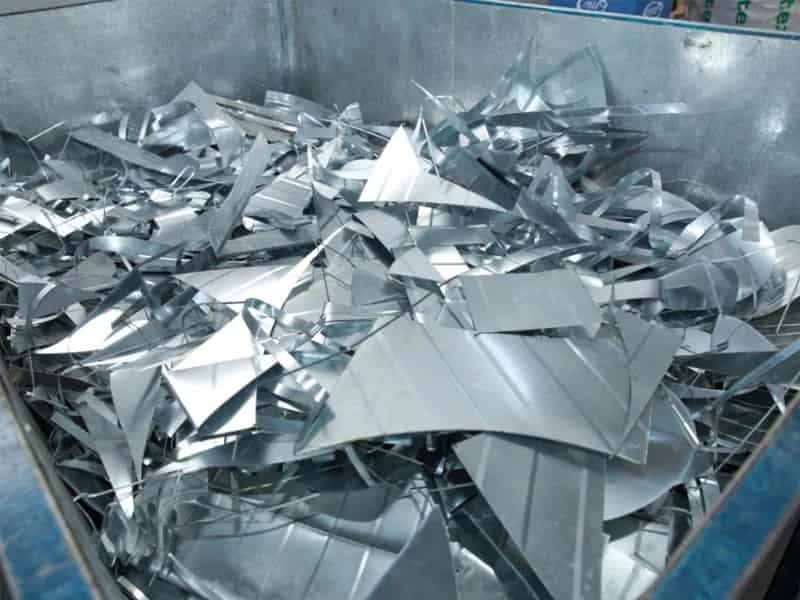
- Aluminum, ferrous and non-ferrous metal packaging and profiles.
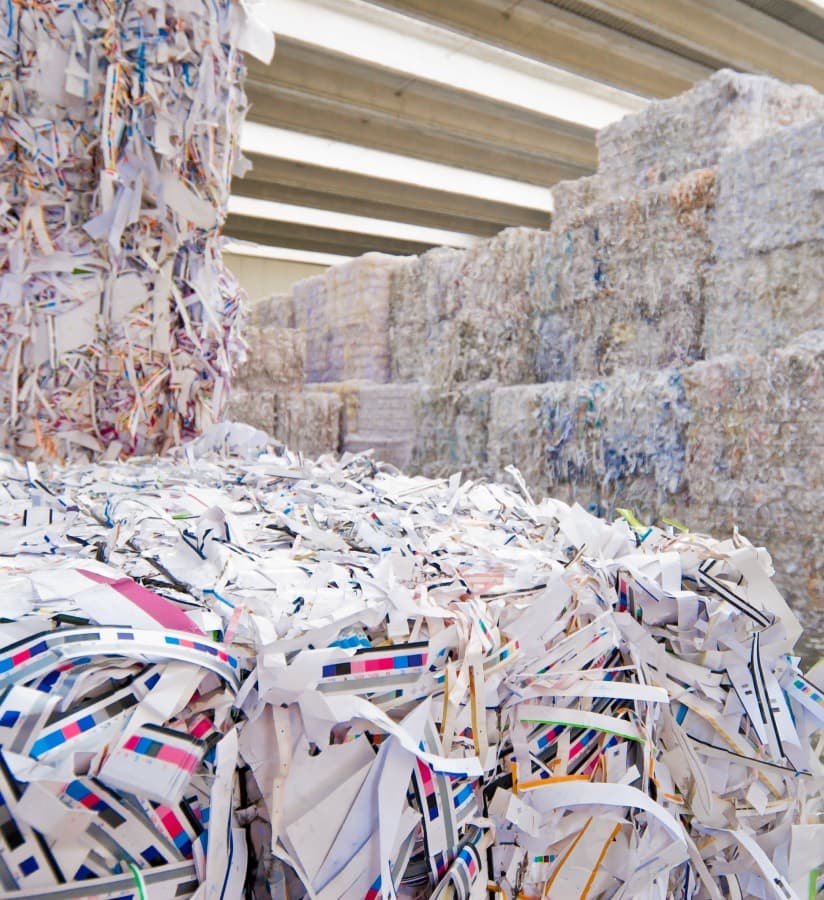
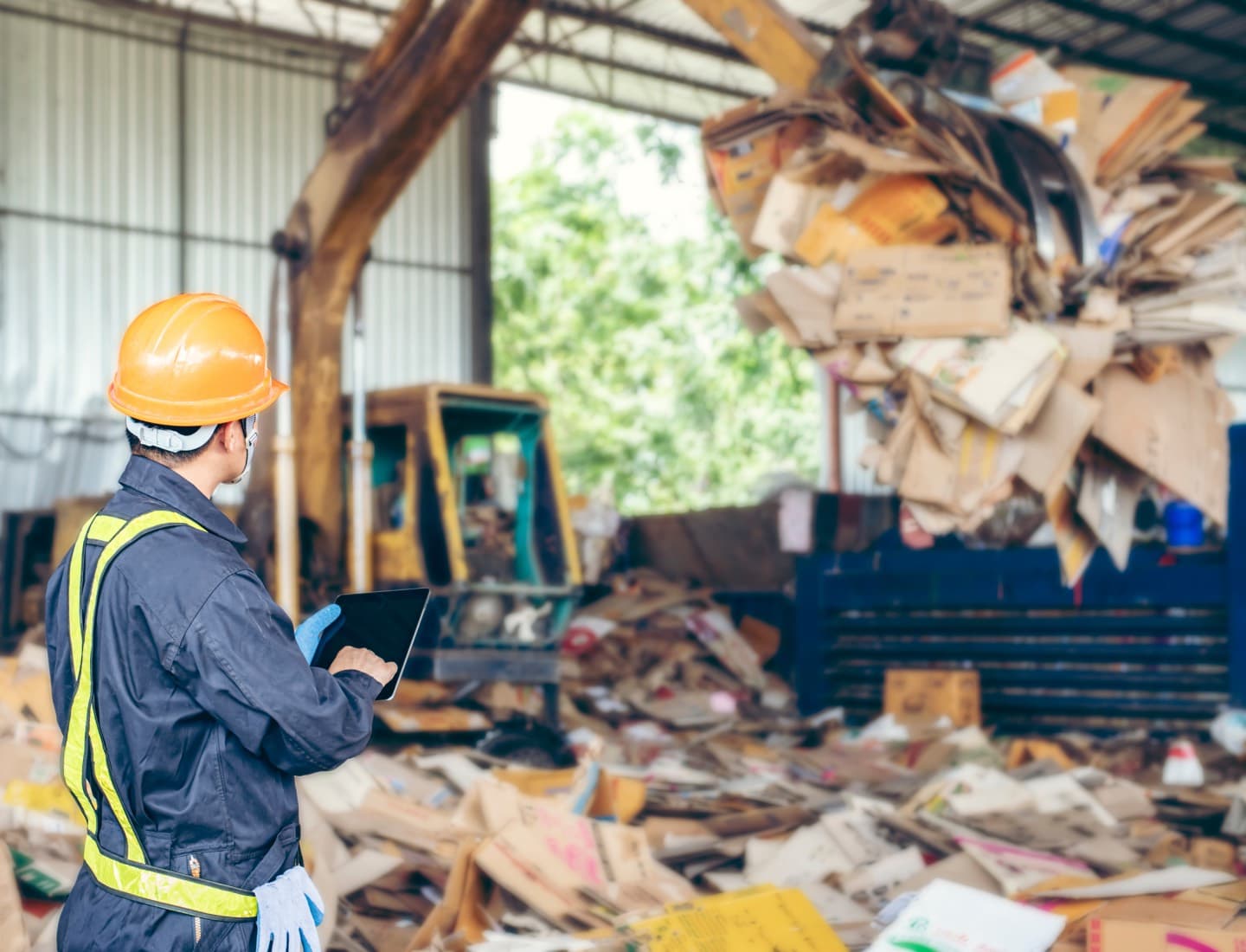
- Paper and cardboard.
- Wood packaging and articles, such as pallets.
- Scrap tires, rubber, glass and textiles.
The annex also lists e-waste such as computers, phones and printers, construction waste above 80 m³ per project and wastewater treatment sludge above 100 tons per year. For more context, read special handling waste in Mexico.
Plan formats
The LGPGIR regulations classify plans in several ways:
- By participants: private (companies only) or mixed (with government involvement).
- By association: individual (one company) or collective (several companies covering one or more wastes).
- By territorial scope: national, regional or local.
- By waste stream.
You can also join an existing plan if you expressly accept all of its obligations. This is common for consumer products covered by collective schemes.
What NOM-161 requires in the plan
For special handling waste, the standard lists general elements that apply regardless of format:
- Company name, legal representative and address for official notices.
- Plan format, territorial scope and wastes covered.
- Diagnosis: for wastes from production activities, the quantity generated in tons or kilograms per day is enough.
- Proposed management methods for each waste.
- Coverage, recovery or reuse targets.
- Final destination of the waste, domestic or international.
- Operating, control, monitoring, evaluation and improvement mechanisms.
- Participants and communication mechanisms, where applicable.
Private plans add the infrastructure involved and, where relevant, prevention strategies such as raw material substitution or technology changes. Mixed and collective plans also require a framework agreement among participants.
Building your plan step by step
- Measure. Build an inventory by area and stream. If you've never done one, follow our waste audit guide.
- Classify. Separate hazardous, special handling and municipal-type waste, and determine your generator tier.
- Check the lists. Review the NOM-161 annex and the products the law places under management plans.
- Assign a destination to each stream. Prioritize reduction and recycling; keep disposal for what has no other outlet.
- Choose contractors you can document. Verify authorizations and make sure they can provide weights and receipts for every load.
- Set targets against a baseline. For example, the percentage of waste recovered versus total generated.
- File the plan with the right authority and keep the acknowledgment or registration number.
- Run it and keep records. Waste logs, manifests, scale tickets and recycling certificates are your evidence.
The most common mistakes are using a generic template that doesn't match your plant, setting targets with no baseline data and not updating the plan when processes or contractors change. Global EHS teams also tend to assume one plan covers every site. In Mexico, each state may have its own filing rules for special handling waste.
Important note: filing formats, platforms and validity periods vary by state and may change. Before submitting, confirm current requirements with the state environmental authority, SEMARNAT or a local environmental consultant.
How Zikloa can help
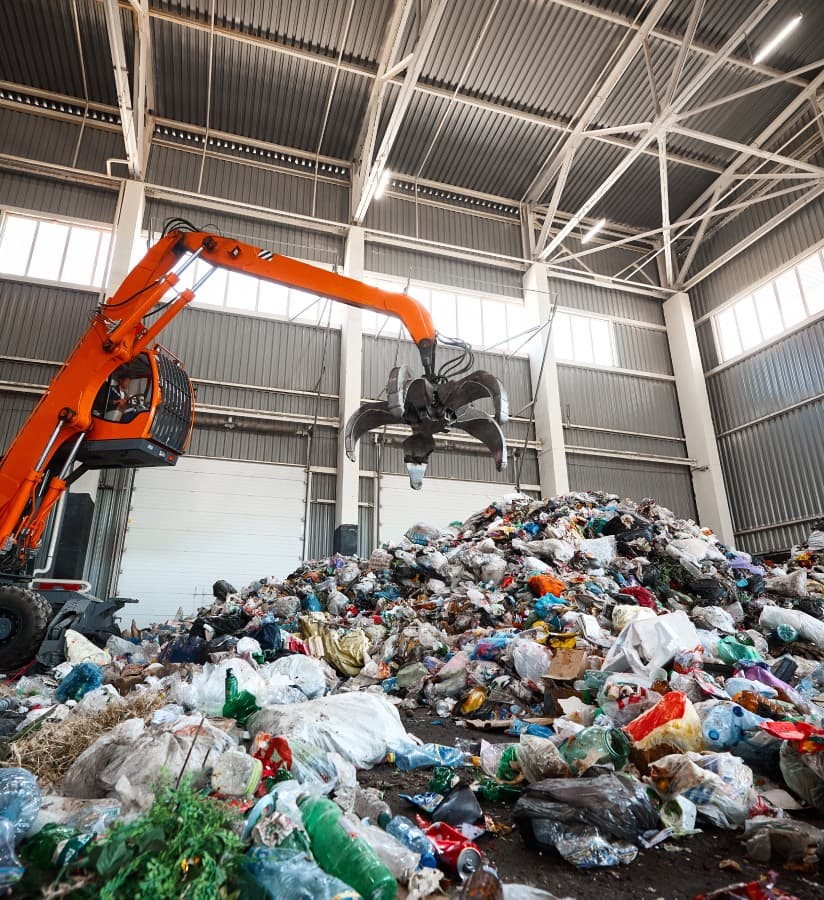
Many of the wastes NOM-161 places under management plans are exactly the materials we recycle: plastics, cardboard, paper, aluminum, copper and ferrous scrap. Zikloa collects on site with roll-off containers or a grapple crane and weighs on certified scales. That gives you reliable data for your diagnosis and for tracking your targets. See our industrial waste collection service.
If you're drafting or updating your plan, send us your waste streams and volumes and we'll help you set up collection for your recyclables in Nuevo León or Mexico City.
- #waste management plan
- #plan de manejo
- #nom-161
- #special handling waste
- #mexico compliance
Frequently asked questions
Can our global corporate waste policy replace a Mexican plan de manejo?
No. A corporate policy can guide your approach, but the Mexican plan de manejo is a specific filing with defined content, submitted to SEMARNAT or to the state authority depending on the waste type.
How often should a waste management plan be updated?
The standard doesn't set a single renewal cycle. Update the plan whenever your processes, volumes, waste streams or contractors change, and check whether your state requires periodic reports or renewals.
If we sell our scrap and cardboard, do we still need a plan?
Yes, if your volume and waste type trigger the obligation. Selling a material doesn't remove it from scope; the plan is where you document that those streams are recovered and who receives them.