Scheduling industrial waste pickups without slowing operations
Poorly scheduled pickups clog aisles and block docks. Learn how to pick a service model, calculate frequency and coordinate every visit with production in your Mexico plant.
By Zikloa TeamPublished 5 min read
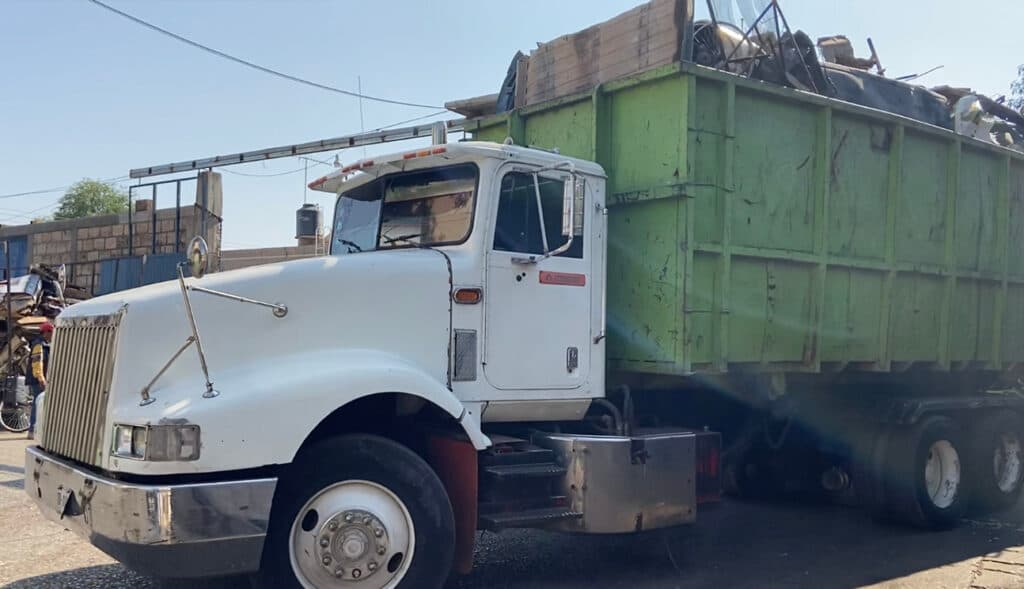
Key takeaway: Scheduling industrial waste pickups well means choosing the right service model (fixed, on-call or container swap), calculating frequency from real data and agreeing on time windows with production and shipping. The goal is twofold: material never piles up, and the waste truck never competes with your operation.
An industrial waste pickup program tends to get attention only when it fails. An overflowing container, a truck that shows up in the middle of a shift change or a pile of rain-soaked cardboard in the yard are all signs that collection is not aligned with operations.
For companies that have recently set up in Mexico, this is often one of the last processes to be formalized, because the focus is on getting production running. The good news is that you do not need specialized software to fix it. Simple records, the right service model and clear coordination rules will make pickups nearly invisible. Here is how.
What a poorly scheduled pickup really costs
The costs of bad scheduling rarely show up on the provider's invoice, but they are felt on the floor:
- Production space taken up by material that should have left days ago.
- Safety risks: blocked aisles, unstable piles and an accumulated fire load.
- Degraded material: cardboard gets wet, metal rusts and plastic picks up dust, all of which lower resale value.
- Blocked docks when the waste truck arrives at the same time as an outbound shipment.
- Rush trips or containers that leave half empty because nobody tracked when a swap actually made sense.
Three service models: fixed, on-call and swap
Choosing the right model solves much of the problem. Many plants use a different one for each material stream.
| Model | How it works | Best when | Risk if misused |
|---|---|---|---|
| Fixed schedule | Set days and times agreed in advance | Generation is steady week to week | Half-empty trips, or overflow in peak weeks |
| On-call | You request service when you need it | Generation is low or highly variable | If requested late, material piles up while the truck is on its way |
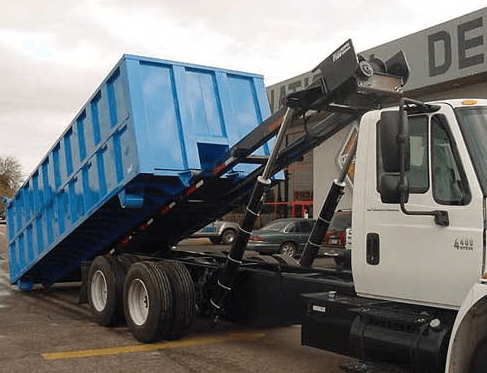
| Container swap | The truck drops an empty container and takes the full one in a single visit | Generation is high and continuous | Needs maneuvering room and tight time coordination |
| Hybrid | Fixed base schedule plus on-call extras | There is a stable base with predictable peaks | Needs someone accountable for triggering extras on time |
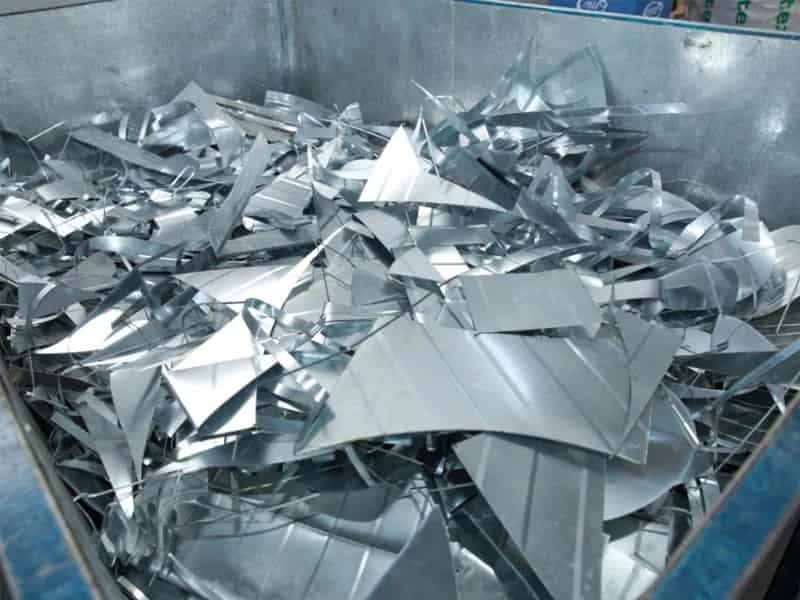
A common setup in manufacturing is to match the model to the material: container swaps for cardboard and stretch film, which are generated every day; a fixed schedule for plastic scrap, which follows the production rhythm; and on-call pickups for maintenance scrap, which shows up irregularly. What matters is that each stream has a clear rule and a named person responsible for triggering it.
How to calculate the right frequency
Frequency should be calculated, not guessed. Follow these steps:
- Record generation for each material over two to four weeks. Scale tickets from past pickups are a good source.
- Spot patterns: high-output days, month-end closes, model changeovers or seasonal peaks.
- Calculate usable capacity: your container volume plus your temporary storage area.
- Divide usable capacity by daily generation. The result is the maximum number of days between pickups. Round down.
- Review quarterly, or whenever production changes.
If the math gives you very short intervals, the issue may be container size rather than frequency; see our guide to roll-off container sizes. If it gives you long intervals, make sure material can wait in proper conditions by following these temporary waste storage best practices.
Coordinate pickups with production and shipping
The waste truck shares yard space, gates and sometimes docks with your operation. These rules prevent conflicts:
- Set time windows outside peak inbound and outbound dock activity.
- Avoid shift changes, when foot and vehicle traffic is heaviest.
- Separate internal routes so the truck does not cross forklift zones or pedestrian walkways.
- Agree on the access process: gate registration, safety induction, PPE and the documents the provider's crew must show. Many plants in Mexico ask contractors for proof that crew members are registered with the social security institute (IMSS).
- Use one communication channel for requests and confirmations, with a named contact on every shift.
If your plant sits inside an industrial park, as most nearshoring operations do, check the park's own rules as well. Many parks set entry hours for heavy vehicles, approved internal routes and contractor requirements that apply to your collection provider just as they apply to your other vendors.
What to share with your provider
The clearer the kickoff, the fewer adjustments later. Have this information ready:
- Materials you generate and approximate volume of each.
- Exact pickup location, with photos and dimensions of the maneuvering area.
- Permitted hours and access restrictions of your industrial park.
- Name and phone number of the contact on each shift.
- Documents you need for each service: scale ticket, collection receipt, recycling certificate or manifest, depending on the waste type.
- Billing details and, if you sell material, how you want to receive payment.
Document every pickup and track results
Every load leaving your site should leave a trail: date, material, weight, carrier, destination and a signed document. For hazardous waste, Mexican regulations require a manifest; for a refresher, read our guide to waste manifests and traceability.
Those records feed a few simple metrics, which also roll up neatly into corporate sustainability reports:
- Tons collected per material per month.
- Number of trips and average container fill level.
- Incidents: delays, overflows, rejected or contaminated loads.
- Revenue from recyclables versus disposal costs.
If average fill is low, you can space out services; if overflows are frequent, you need more capacity or more frequent pickups.
Plan for peaks before they arrive
Problems almost always show up in non-routine situations. Put them on the calendar:
- Shutdowns and major maintenance: they generate scrap, metal chips and cleanup material.
- Physical inventories and year-end closes: these often free up obsolete product and packaging.
- Launches and model changeovers: they leave tooling, trial parts and startup scrap behind.
- Rainy season: cardboard and paper need more frequent pickups or covered storage.
- Holidays: Mexico's official holidays and long weekends differ from those at your headquarters, so confirm the provider's operating days in advance.
How Zikloa can help
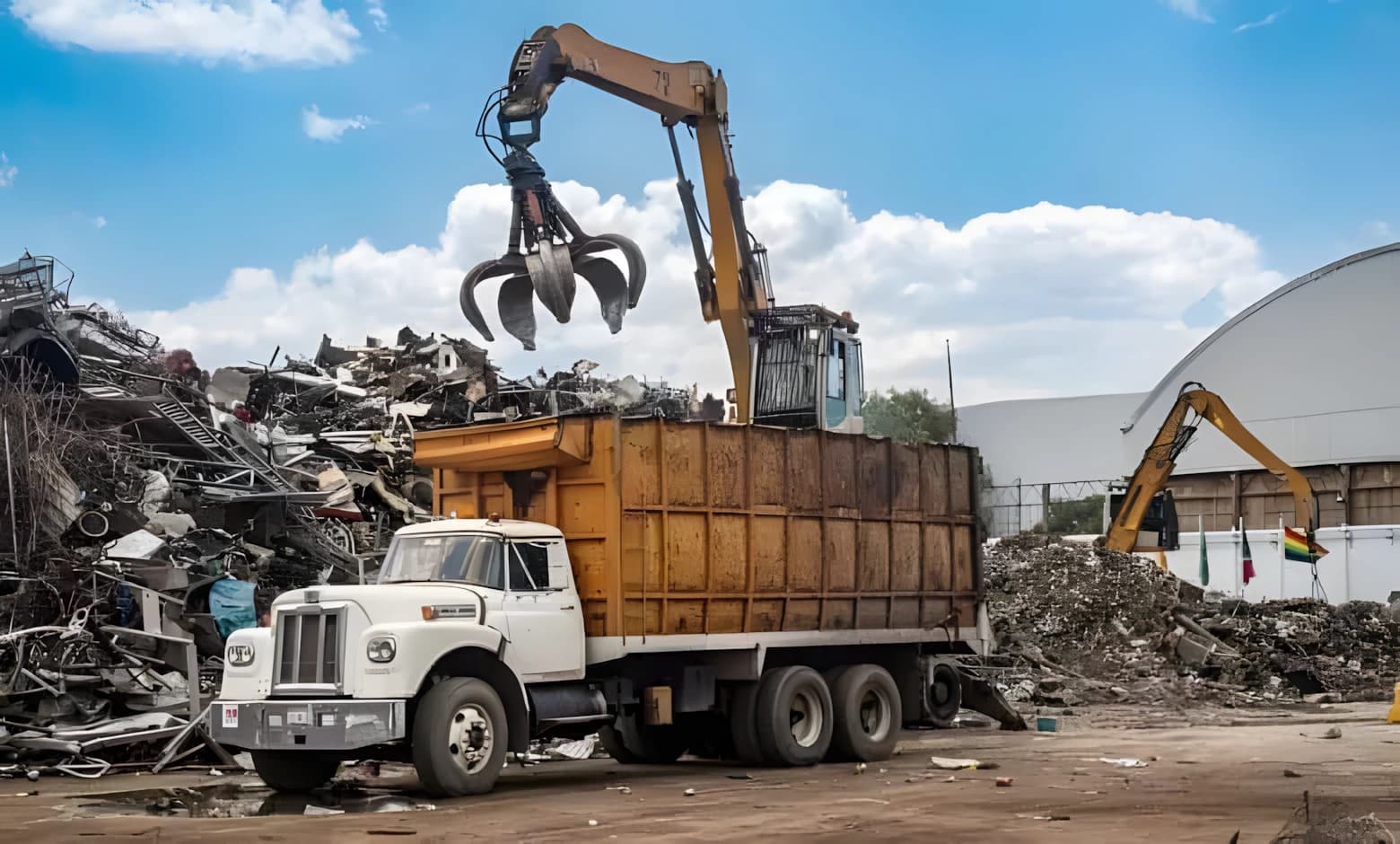
Zikloa provides collection with roll-off trucks and 15, 20 and 30 m³ containers, plus a grapple crane for bulk material. We weigh on certified scales, which gives you reliable data to fine-tune pickup frequency over time.
If you want to review your current setup or start a new one, learn more about our waste collection service and get in touch to design your pickup program.
- #industrial waste pickup
- #logistics
- #pickup frequency
- #plant operations
Frequently asked questions
How much notice should I give for an on-call pickup?
It depends on the provider and location, so put it in writing in your service agreement. As a rule, request the pickup when a container is nearing its limit, not when it is already full, to leave room for delays.
What should I do about pickups during a shutdown or holiday period?
Use it to schedule an extra pickup, since cleanouts, maintenance and decommissioning generate more material than usual. Give the provider early notice so they can reserve equipment and crew, and confirm which Mexican holidays they operate on.
Who should be the point of contact with the collection provider?
One person or department, usually EHS, warehouse or facilities, with a backup on each shift. That avoids duplicate requests and the assumption that someone else already called.