What is the circular economy and why it matters to your business
The circular economy keeps your plant's materials out of landfill and turns them into inputs for other processes. Here is what it means in practice for operations in Mexico.
By Zikloa TeamPublished 5 min read

Key takeaway: The circular economy is a model in which materials stay in use as long as possible and one process's leftovers become another's inputs. For a manufacturer in Mexico, it means lower disposal spend, revenue from recoverable materials and an easier time meeting the sustainability requirements set by headquarters and global customers.
The circular economy is a way of organizing production so that materials don't follow the "take, make, use, dispose" path. Instead of your plant's cardboard, scrap metal or plastic regrind ending up in a landfill, those materials go back into the supply chain as feedstock for another industry, or even for your own lines.
If your company has recently set up or expanded operations in Mexico, your corporate office probably already has circular economy language in its sustainability report. The challenge is turning that language into daily decisions at a plant in Monterrey, the Bajío or the Mexico City area: what you buy, how you pack, how you separate what's left over and who you hand it to. This guide covers what the concept means, how it differs from the traditional model and where to start.
Linear vs. circular: the fundamental difference
The linear model assumes resources are cheap and plentiful, and that getting rid of leftovers is a minor cost. The circular model starts from the opposite premise: every material leaving your plant as waste is a resource you already paid for, and it still has value.
| Aspect | Linear model | Circular model |
|---|---|---|
| View of waste | Something to throw away | A material with market value |
| Product design | Optimized only for cost and function | Accounts for repair, disassembly and recycling |
| Purchasing | Virgin raw material by default | Mixes virgin and recycled inputs by application |
| Key metric | Cost per ton disposed | Share of material returned to a productive cycle |
| Supplier relationships | Transactional | Collaborative: flows and specs are shared |
The difference is financial as much as environmental. A circular approach changes how you calculate the true cost of a material: what you paid for it, minus what you recover when it leaves your process, plus what it costs to dispose of it if you recover nothing.
The principles behind the model
The most widely cited formulation, promoted by the Ellen MacArthur Foundation, rests on three principles:
- Design out waste and pollution. The cheapest waste is the waste you never create. That includes unnecessary packaging, process scrap and materials that can't be separated.
- Keep products and materials in circulation. Reuse, repair, remanufacture and, finally, recycle. The longer a material keeps its form and value, the better.
- Regenerate natural systems. In industry, this mostly means extracting fewer virgin resources and keeping materials from leaking into the environment.
The model also separates technical cycles (metals, plastics and components that are recovered and reprocessed) from biological cycles (organic materials that can safely return to nature, for instance through composting). Most manufacturing waste belongs to the technical cycle, which is where good source separation and a reliable recycling partner make the biggest difference.
What changes on the plant floor
The concept only becomes useful when it shows up in operations. In a manufacturing plant, it looks like this:
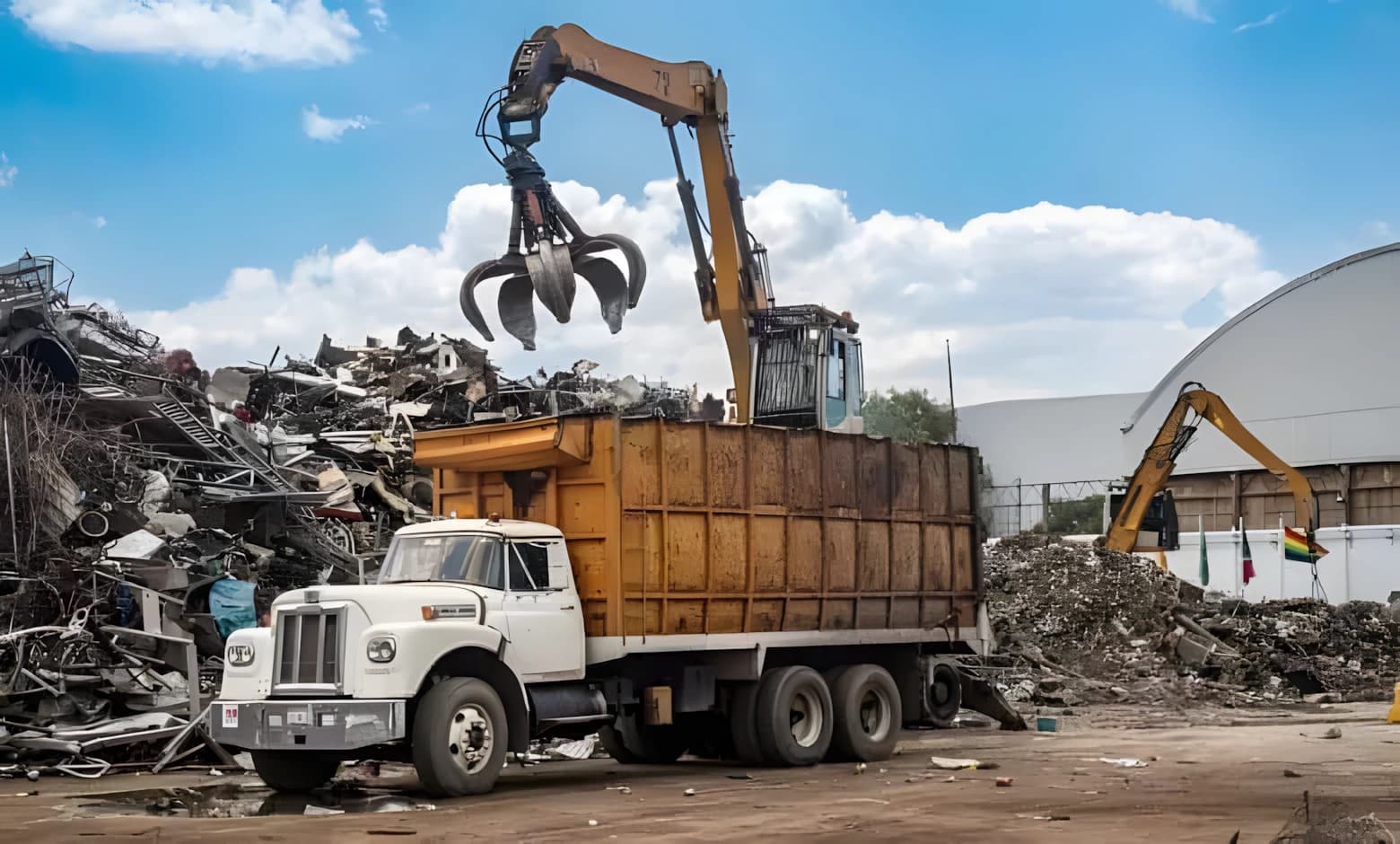
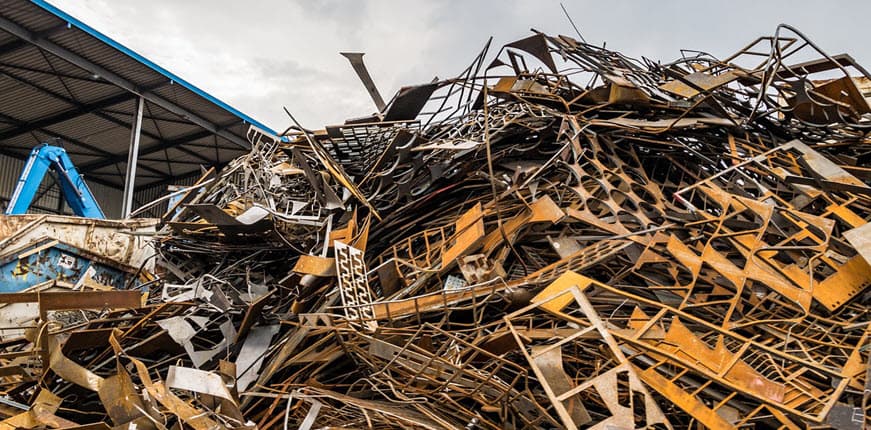
- Source separation: cardboard, stretch film, ferrous scrap and aluminum are collected separately, because once mixed they lose value or become unrecyclable.
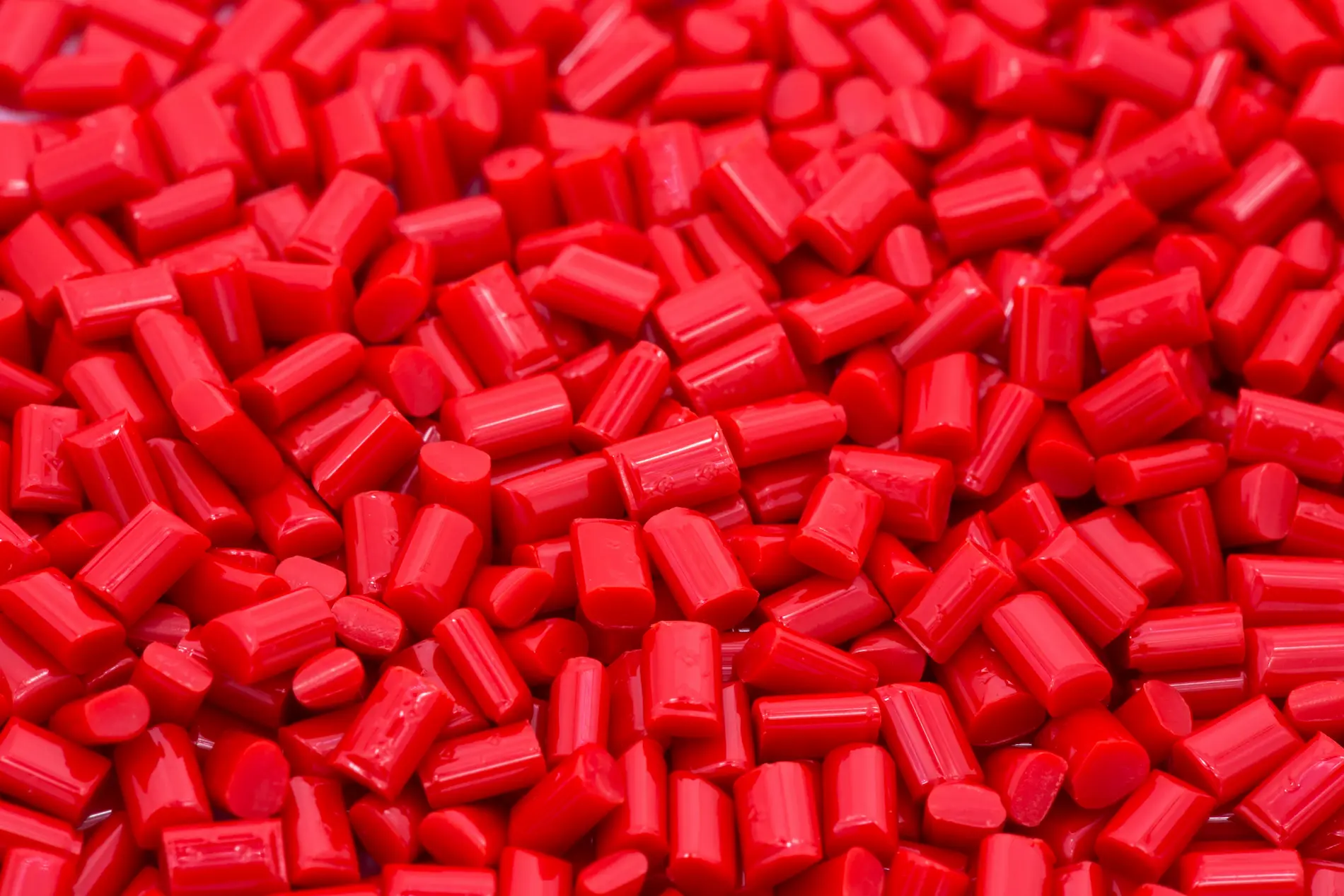
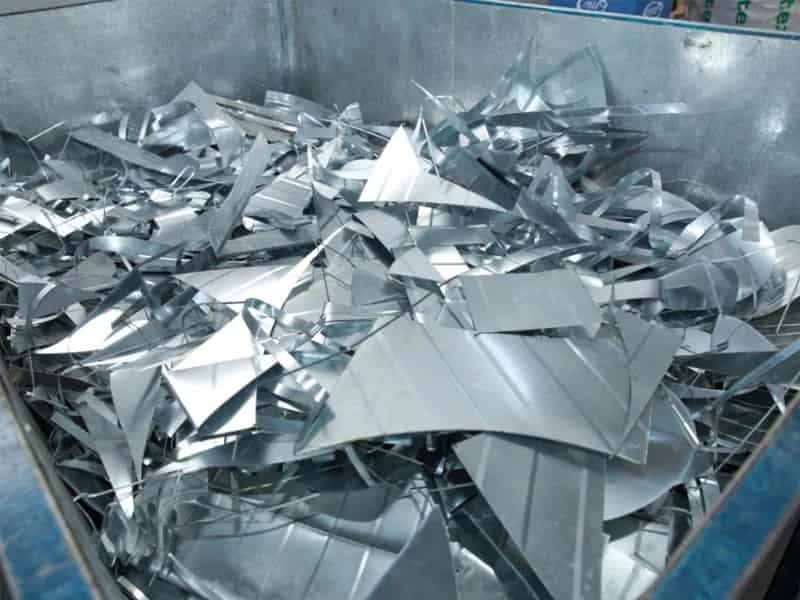
- Recovering process scrap: injection molding runners, machining chips and sheet trimmings stop being treated as trash and are sold or reprocessed.
- Buying recycled content: where specifications allow, part of the virgin resin is replaced with reprocessed material of known quality.
- Returnable packaging: pallets, dividers and totes go back to suppliers instead of the dumpster.
- Data: every stream is weighed and recorded, because what you don't measure you can't sell, negotiate or report.
None of this requires heavy upfront investment. It requires discipline, clear ownership and a partner who takes the separated materials and finds them a market. For the full framework, see our industrial waste management guide.
Why it matters to your business, beyond reputation
Four business reasons tend to put the topic on the leadership agenda.
Disposal costs
Every ton sent to landfill carries hauling, handling and disposal fees. Materials that are recovered stop generating that cost and often become a revenue line.
Revenue from materials
Clean, separated metals, cardboard and plastics have buyers in Mexico. Their price depends on material type, cleanliness, volume and market conditions, but when handled properly they are rarely worth zero.
Customer and headquarters requirements
Global customers and parent companies increasingly ask suppliers and subsidiaries for waste data, diversion rates and documentary evidence. A circular operation has that information ready instead of rebuilding it every time a questionnaire arrives.
Supply security
When virgin materials get more expensive or scarce, having local sources of recycled material with known specs reduces your supply chain's exposure, which matters for nearshoring operations trying to shorten lead times.
How to take the first steps
You don't need a five-year corporate roadmap to begin. A practical start looks like this:
- Inventory your streams. For one month, record which materials leave your plant, how much and from which area.
- Rank them by value and volume. Identify the large, recoverable streams (usually cardboard, metals and process plastics) and start there.
- Organize separation. Define containers, signage and owners for each area, with bilingual labels if your workforce or auditors need them.
- Assign a destination to each stream. Reuse, sale as recyclable material, reprocessing or, only as a last resort, disposal.
- Measure and adjust. Set a baseline and review it monthly using the same method.
To decide the order of actions, the 5 Rs in industry offer a useful hierarchy. And when your waste matches what another company needs as an input, you are entering industrial symbiosis, the most advanced expression of the model.
Common mistakes when getting started
- Buying bins and signage before you know which materials you generate and in what volume.
- Launching a program without training the operators who actually separate materials at each station.
- Tracking only tons recycled without relating them to production output, which hides whether you are actually improving.
- Choosing a waste hauler on price alone, without checking traceability and documentation under Mexican regulations.
- Treating the circular economy as a sustainability team project instead of part of daily operations.
How Zikloa can help
Zikloa works at both ends of the cycle: we buy and collect recyclable materials from your plant (plastics, cardboard, paper, aluminum, copper and ferrous scrap) and supply recycled and virgin raw materials to industry. With more than 15 years of experience and more than 10,000 tons recycled every month, our comprehensive recycling service helps you move from a stream inventory to a program that runs every day, with collection, certified-scale weighing and documentation for every outbound load.
If you want to know which of your plant's streams already have value and where to start, request a waste assessment from our team in Nuevo León or Mexico City.
- #circular economy
- #sustainability
- #industrial waste
- #nearshoring
Frequently asked questions
Is the circular economy the same as recycling?
No. Recycling is one tool within it, but the model also covers designing for durability, reuse, repair and using less material in the first place. Recycling is usually the option once those higher-value routes are exhausted.
Can a new plant in Mexico apply circular principles from day one?
Yes, and it is easier than retrofitting. Defining separation stations, returnable packaging and recycling partners during ramp-up avoids building habits around a single mixed waste stream.
How do we track progress toward a circular operation?
Use a few indicators measured monthly with the same method: kilograms of waste per unit produced, the share of waste recovered versus sent to landfill and the share of recycled content in your inputs.