Aluminum recycling: why it saves up to 95% of the energy
Making aluminum from bauxite takes enormous amounts of electricity; remelting it takes very little. See where the savings come from and how to prepare your aluminum scrap.
By Zikloa TeamPublished 5 min read
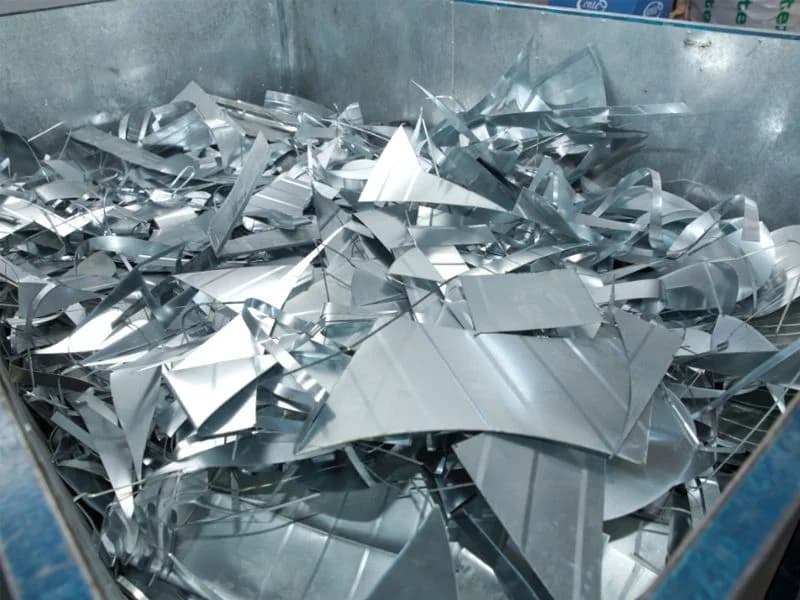
Key takeaway: Aluminum recycling saves around 95% of the energy required to produce the metal from bauxite because it skips the most energy-intensive step: the electrolysis that separates aluminum from oxygen. Recycling only requires melting the metal and adjusting the alloy. To turn that potential into real savings, scrap must arrive sorted by type and as clean as possible.
The figure shows up in sustainability decks, on packaging and in supplier questionnaires: aluminum recycling saves around 95% of the energy. It is rarely explained, and understanding it matters for any manufacturer in Mexico that supplies global OEMs with decarbonization targets. It explains why aluminum scrap always finds a buyer, why buyers are so strict about sorting by alloy, and why you should not copy the number straight into your ESG report.
This article walks through how primary aluminum is made, compares it with recycling, and translates the difference into concrete decisions about the aluminum scrap your plant generates.
From bauxite to ingot: why primary aluminum is so energy-hungry
Aluminum is one of the most abundant elements in the Earth's crust, but it never occurs naturally as a metal. It is tightly bound to oxygen, and breaking that bond is what costs energy. Primary production has three main stages:
- Bauxite mining. The ore contains aluminum oxides mixed with other compounds. Several tons of bauxite are needed for every ton of aluminum.
- Refining to alumina. In the Bayer process, bauxite is digested with caustic soda at high temperature and pressure to produce alumina, a white aluminum oxide powder. The process leaves a residue known as red mud.
- Electrolysis. In the Hall-Héroult process, alumina is dissolved in a bath of molten cryolite and a very large electric current separates aluminum from oxygen. The carbon anodes are consumed and release carbon dioxide.
The third stage dominates energy use. That is why primary smelters tend to be located near abundant electricity, and why the carbon footprint of primary aluminum depends heavily on the power source behind it.
What changes with recycling: melting instead of reducing
Aluminum scrap is already metal, so there is no oxygen to strip away. It simply has to be melted, and aluminum melts at around 660 °C, a moderate temperature compared with other industrial metals. A typical recycling route includes sorting, shredding, removing paint and coatings, melting, adjusting the alloy and casting into ingots, slabs or billets.
| Stage | Primary aluminum | Recycled aluminum |
|---|---|---|
| Feedstock | Bauxite | Aluminum scrap |
| Chemical refining | Yes, to produce alumina | No |
| Electrolysis | Yes, highly electricity-intensive | No |
| Melting | Yes | Yes, the main energy demand |
| Alloy adjustment | Yes | Yes |
| Relative energy | Baseline | Around 5% of baseline |
Recycling also avoids ore extraction, refining residues and anode emissions. And because aluminum keeps its properties when remelted, the loop can be repeated many times.
There is one important caveat. During melting, part of the metal oxidizes and ends up in the dross. That loss is higher when scrap is very thin, painted, oily or mixed with other materials. In other words, the theoretical saving is best realized with well-prepared scrap and eroded by dirty scrap.
Why isn't all aluminum recycled aluminum?
If recycling saves so much energy, you might expect scrap to cover all demand. It does not, for two reasons. First, much of the aluminum ever produced is still in use, in buildings, vehicles, power lines and machinery that last decades before they become scrap. Second, global demand for aluminum keeps growing, especially in transportation, packaging and energy, and available scrap cannot keep up.
That is why primary and recycled aluminum coexist, and why well-sorted aluminum scrap is always in demand. For a manufacturer it has a practical meaning: every kilogram lost to landfill or mixed into general waste is a kilogram that someone will have to produce from bauxite. For customers pursuing low-carbon aluminum in their supply chains, the scrap your plant generates is part of the solution, not just a disposal issue.
The condition for real savings: sorting by alloy
Industrial aluminum is almost never pure; it is a family of alloys. In simplified terms there are two groups:
- Wrought alloys, which are rolled or extruded: profiles, sheet, plate and wire. They contain relatively few alloying elements.
- Casting alloys, poured into molds: housings, cylinder heads, wheels and components. They usually contain more silicon.
Removing elements from molten aluminum is difficult, so what goes into the furnace determines what can come out. Mixing extrusions with castings limits the resulting metal to more tolerant applications and lowers the value of the lot. The better sorted the scrap, the easier it is to turn it back into a product equivalent to the original, which is where the energy saving is fully captured.
Aluminum scrap in your plant and how to prepare it
- Extrusions. Remove glass, gaskets, weatherstripping and fasteners. Keep thermally broken profiles, which have a polyamide strip between two aluminum faces, separate.
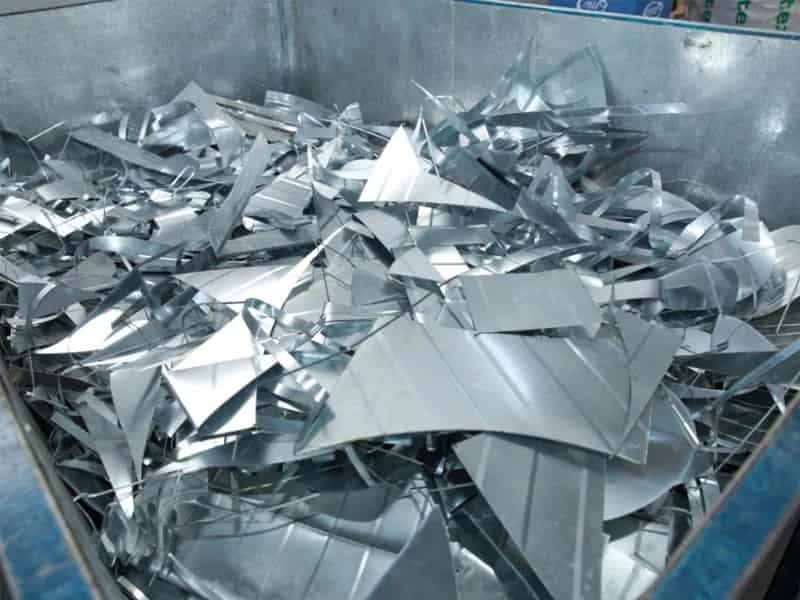
- Sheet and trim. Keep bare material apart from painted or laminated material.
- Castings. Housings, brackets and components; remove steel inserts and fasteners where practical.
- Aluminum cable. Keep it away from copper cable, since they can look alike with insulation on.
- Chips and turnings. Drain and dry them. Metal chip drying removes oil and moisture that would otherwise be deducted and complicate melting.
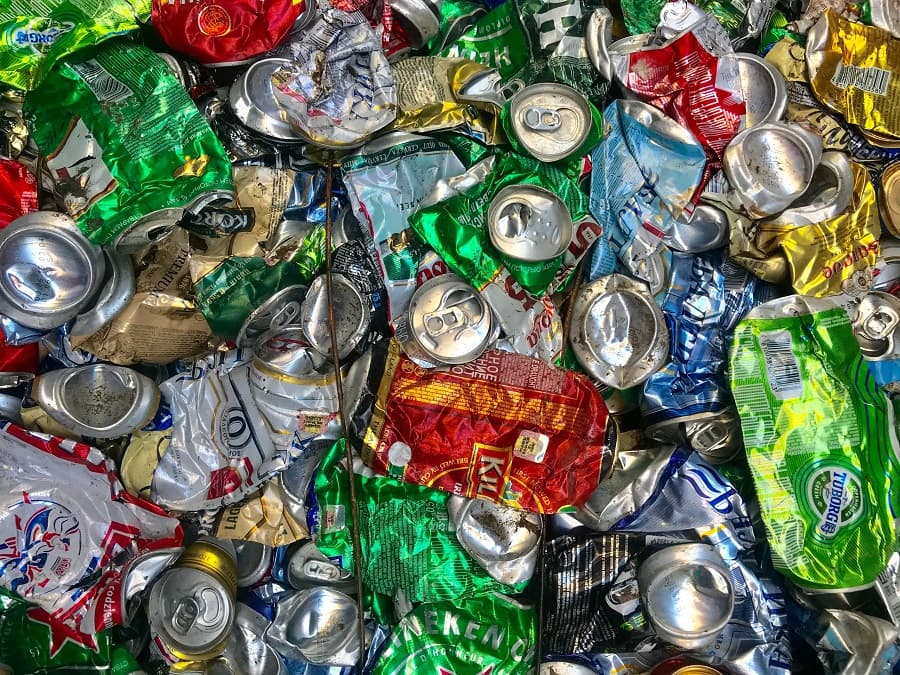
- Beverage cans. A separate stream with a very short loop, covered in our article on the aluminum can recycling cycle.
Using the 95% figure in ESG and Scope 3 reporting
Many multinational customers now ask suppliers in Mexico for recycling data as part of their Scope 3 and circularity programs. The roughly 95% saving describes the difference between producing recycled and primary aluminum; it is not automatically your company's reduction. To report it credibly:
- Start from the documented weight of aluminum you sent for recycling, backed by scale tickets and certificates.
- Apply recognized emission or energy factors and cite their source.
- Explain the methodology and its limits instead of presenting a round number.
Our guide to carbon footprint and avoided emissions walks through the calculation step by step.
How Zikloa can help
Zikloa recycles aluminum extrusions, cable and components, as well as cans, and processes more than 10,000 tons of materials per month. We help you define which aluminum categories to separate, schedule pickups and weigh every lot on certified scales, with documentation ready for corporate reporting.
To find out what your aluminum scrap is worth and how to prepare it, request a quote from Zikloa.
- #aluminum
- #energy efficiency
- #non-ferrous metals
- #decarbonization
Frequently asked questions
Is recycled aluminum as good as primary aluminum?
It can be. Aluminum does not lose its properties when remelted; the quality of recycled metal depends on scrap arriving sorted by type and free of contaminants, because some elements are hard to remove once melted.
Can our plant claim a 95% energy saving in its sustainability report?
Not directly. The 95% figure compares producing recycled aluminum with producing primary aluminum. For your report, estimate avoided energy or emissions with recognized factors applied to the documented weight you sent for recycling, and disclose the method.
Which industrial aluminum scrap is hardest to recycle?
Scrap bonded to other materials: thermally broken extrusions with polyamide strips, parts with steel inserts, laminates with plastic or paper, and oily chips. They are recyclable, but they need extra preparation and usually sell below clean material.