Scrap collection in Monterrey and Nuevo León: what to know
Nuevo León's metalworking and automotive base generates scrap every day. Here is how to organize collection, vet a local provider and get the paperwork your corporate team expects.
By Zikloa TeamPublished 5 min read
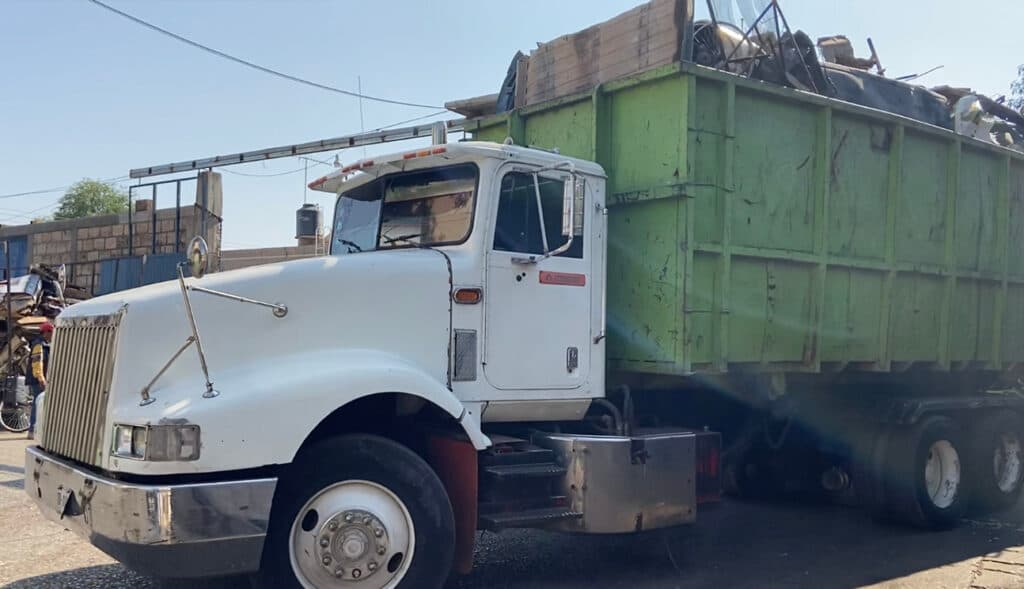
Key takeaway: Nuevo León has a strong industrial base in steel, metalworking, auto parts and appliances, so scrap is a constant stream at many plants. Collecting it well takes a provider with the right equipment, trustworthy weighing, proper documentation and the ability to reach your industrial park within the time windows your operation allows.
Scrap collection in Monterrey is an everyday service for plants of every size: stamping shops, machining operations, foundries, auto parts and appliance manufacturers, as well as logistics hubs and construction sites. Monterrey has also become one of Mexico's most active nearshoring destinations, which means many plant managers are setting up scrap programs for the first time, often with a corporate playbook written for another country.
This guide covers what is specific to operating in Nuevo León: the scrap streams you can expect, the local logistics realities, what to ask a provider and which documents to require for every load.
The scrap Nuevo León plants generate
The state's industrial profile shows up in its scrap. These are the most common streams in the region:
- Stamping trim and skeletons from sheet steel, in high and steady volumes.
- Machining chips and turnings of steel, aluminum and brass, often carrying oil or coolant.
- Rejected parts: castings, forgings and finished components that failed quality checks.
- Copper cable, connectors and components from electrical maintenance and assembly lines.
- Aluminum extrusions and offcuts from construction, window manufacturing and auto parts.
- Structures, racking and machinery removed during remodels, expansions or line transfers.
New plants and expansions also bring construction and startup scrap: one-time, high-volume material that is easier to handle if you plan for it before the project begins.
Industrial zones and local logistics realities
Industrial activity in the Monterrey metro area is spread across several municipalities. There are established parks and corridors in places such as Apodaca, Escobedo, San Nicolás de los Garza, Guadalupe and Santa Catarina, and growth toward the north and northeast, in municipalities like Salinas Victoria, Ciénega de Flores and Pesquería, along highway corridors such as the roads to Laredo and Miguel Alemán.
That spread has practical consequences for scrap collection:
- Distance and traffic. Crossing the metro area at rush hour can take a long time, so agree on realistic service windows.
- Industrial park rules. Many parks control heavy-vehicle access, require advance registration and ask for a safety induction for the provider's crew.
- Heat. In summer, oily chips and accumulated combustible waste raise fire and odor risks, so avoid leaving them in the yard for weeks.
- Occasional heavy rain. Water speeds up rust, pools in open containers and can carry oil toward storm drains.
What to separate before pickup
Sorting is one of the biggest factors in what you receive for your material, as we explain in our guide to how scrap metal prices are set in Mexico. As a practical rule:
| Material | Examples | How to handle it on site |
|---|---|---|
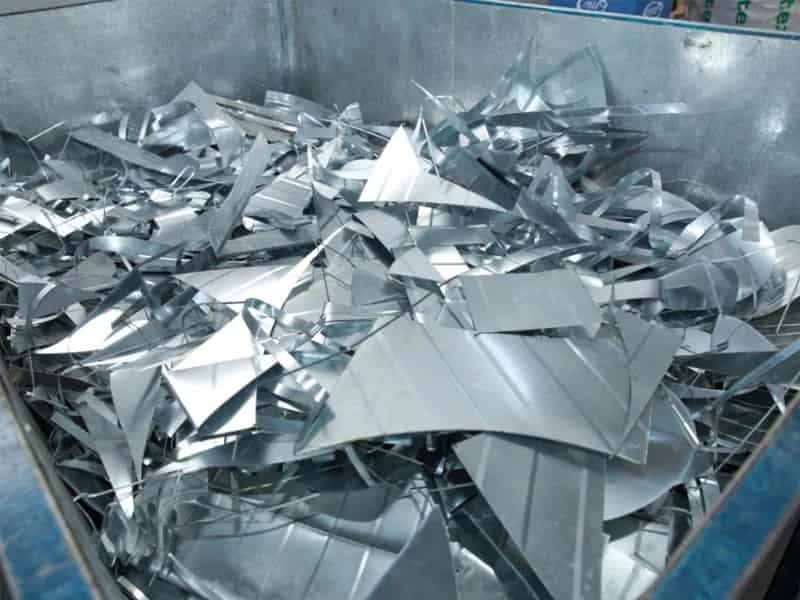
| Ferrous scrap | Sheet trim, structural steel, castings | Dedicated container; remove plastic, wood and trash |
| Aluminum | Extrusions, offcuts, chips, components | Kept apart from steel; by part type if possible |
| Copper, bronze and brass | Cable, connectors, brass chips | Closed containers in an access-controlled area |
| Oily chips | Lathe and mill turnings | Container with spill containment |
| Mixed material | Assemblies with metal, plastic and rubber | Flag separately to assess whether disassembly pays off |
Questions to ask a scrap collection provider
Before signing, ask these questions and get the answers in writing:
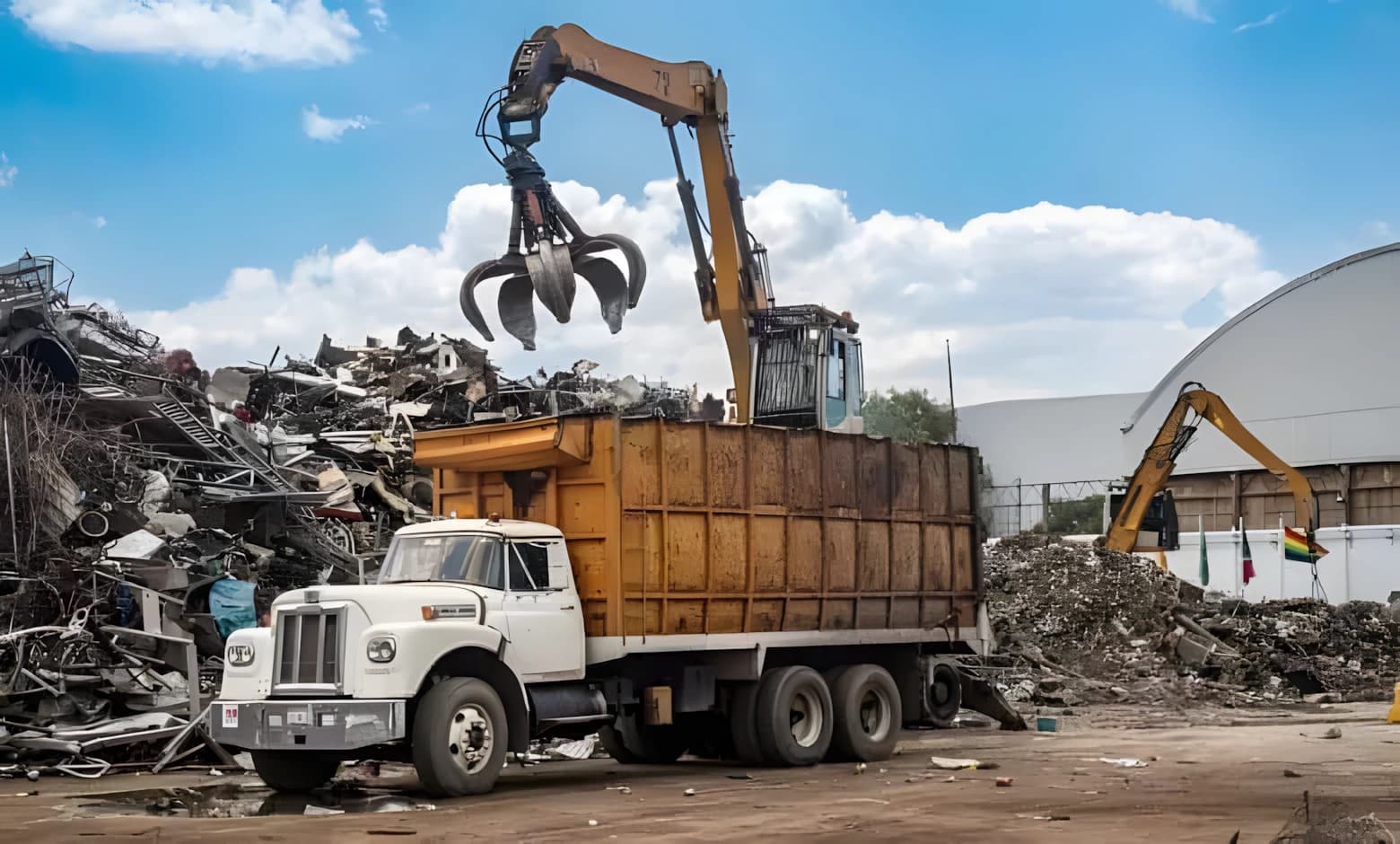
- What equipment do you use? Roll-off containers and in what sizes, a grapple crane for bulk material, possible pickup frequency.
- How and where do you weigh? Ask whether scales are certified, whether you get a ticket for every load and whether you can witness weighing. Our guide to certified scales for scrap weighing explains why this matters.
- How is pricing set, and what reference is used to update it?
- What documents do you provide per service and at month-end, and can they support your corporate waste and recycling reports?
- Do you meet your park's access requirements: insurance, crew registered with social security, PPE, safety induction?
- Do you operate locally? A provider with facilities in the metro area usually responds faster to changes and extra pickups.
- Can you take other materials, such as cardboard or plastic, so you can consolidate recycling with fewer vendors?
How to prepare your plant for the first pickup
A well-organized start keeps the first pickup from turning into an improvised job. Before the agreed date:
- Choose the loading point, with truck access, firm ground and overhead clearance, away from finished-goods docks.
- Remove from the pile any sealed containers, gas cylinders, batteries and vessels holding liquids.
- Place bins or cages by metal type in the areas that generate the most scrap, so material reaches the yard already sorted.
- Register the provider at the park's gate and share access requirements well in advance.
- Name one owner to receive the driver, review the scale ticket and file the paperwork.
- Agree on a starting frequency and adjust it after the first month based on actual weights.
If your corporate team needs reports in a specific format or language for global consolidation, raise it at this stage so the document flow is defined from day one. And if a container truck cannot maneuver in your yard, a grapple crane is an alternative for loading bulk scrap from a nearby point.
Documentation and environmental compliance
Beyond the scale ticket and invoice, it helps to understand the Mexican framework, which is organized differently from US or European systems:
- Jurisdiction. In Mexico, hazardous waste is regulated federally (SEMARNAT), special handling waste by the states and municipal solid waste by municipalities. Non-hazardous industrial scrap usually falls under special handling waste, so Nuevo León's state environmental authority is your main reference.
- Waste management plan. If you generate significant volumes of special handling waste, you will likely need a registered management plan.
- Contaminated material. Scrap soaked in oil or hazardous substances may need a different classification and a different type of carrier.
- Tax. Industrial scrap sales follow specific rules in Mexico; your local accounting team should confirm how to invoice and record each transaction.
This section is for orientation only. Validate your specific case with the state environmental authority or a local environmental consultant.
How Zikloa can help in Nuevo León
Zikloa has offices in the Monterrey metro area (Av. Central 200, Col. Colinas del Aeropuerto) and more than 15 years of experience in industrial recycling. We buy ferrous and non-ferrous scrap, collect it with 15, 20 and 30 m³ roll-off trucks or a grapple crane, and weigh it on certified scales.
See our coverage in Nuevo León, learn about our scrap metal buying and selling service or request a quote for your plant.
- #scrap collection
- #monterrey
- #nuevo león
- #ferrous scrap
- #non-ferrous metals
Frequently asked questions
Will I pay for scrap collection, or will I be paid for the material?
It depends on the material, volume and cleanliness. Metals with market value are usually purchased, while low-value or heavily contaminated material may carry a handling fee. Ask for a quote that separates the two.
What paperwork should I get when selling scrap from a plant in Mexico?
At minimum, a scale ticket for every load, the corresponding CFDI (Mexico's electronic invoice) and proof of where the material went. Have your local tax advisor confirm how industrial scrap sales should be invoiced and recorded.
Should I stockpile scrap and sell it in one large shipment?
Stockpiling cuts trips, but it takes up space, exposes metal to rust and rain and increases your exposure to price swings. For most plants, a regular pickup schedule with dedicated containers works better.